
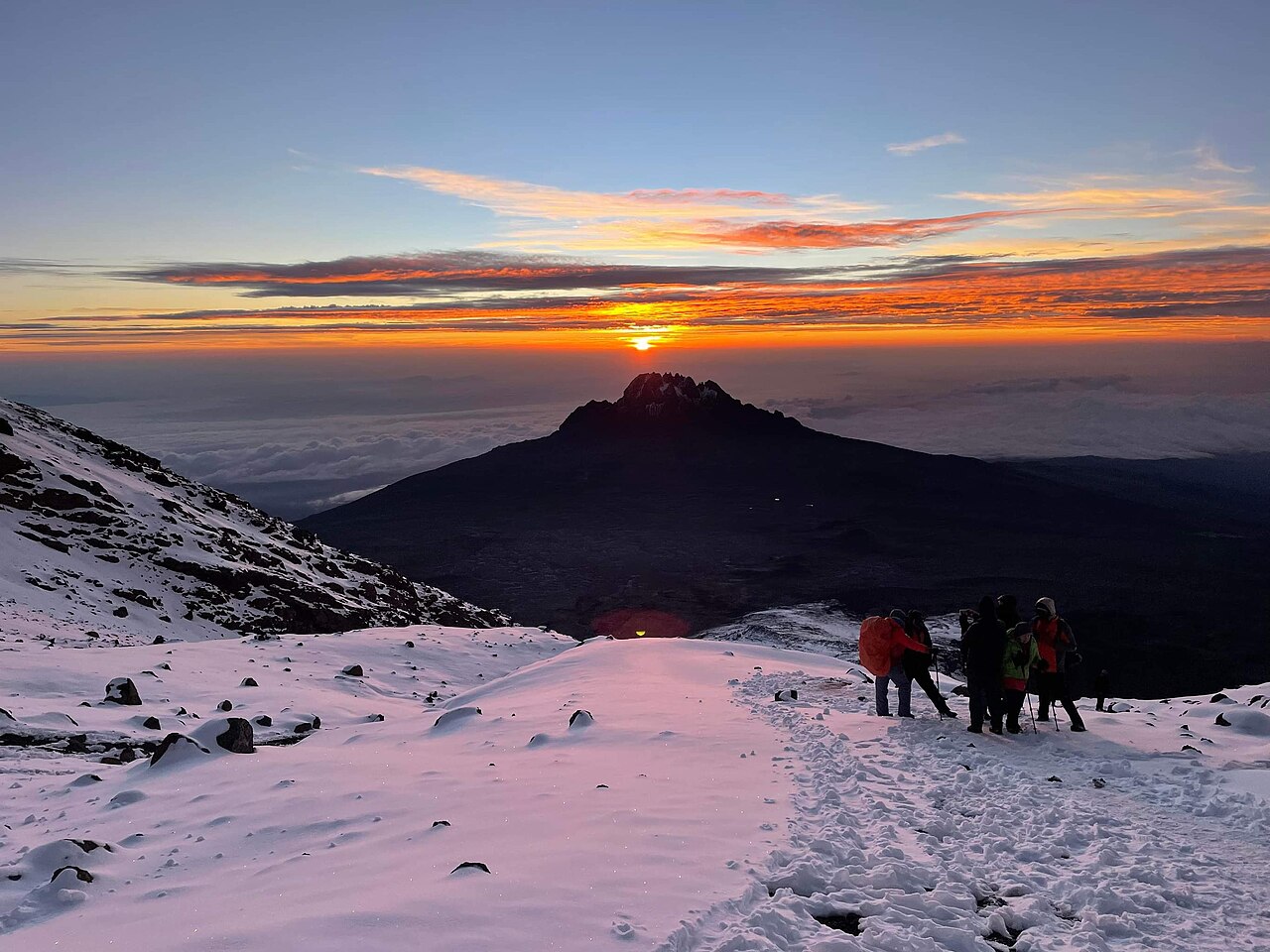
For many climbers, January to early March and June to October are the first windows to check. These periods are often drier than April and May. They are not weather guarantees. Kilimanjaro has several climate zones, and the conditions at the gate can be completely different from those near the summit.
The Tanzania National Parks brochure names June to October and December to March as popular climbing periods, while warning that mountain weather is unpredictable. That is a useful starting point. Your route length, guide team and preparation will matter just as much as the date on the flight.
What is the best month to climb Kilimanjaro?
September is a sensible first pick if you want to start with a drier-season month. July and August are also popular, which can mean more people on well-used routes. January and February offer another often drier opportunity. October and early March sit nearer seasonal changes, so leave more room for variable conditions.
There is no reliable “one best week” for a mountain this high. A clear day lower down does not promise a clear summit. If a particular date is your only option, compare a longer, well-supported itinerary before cancelling the idea altogether.
Choose enough days for acclimatisation and a guide team with a clear altitude-safety plan. Dry weather cannot compensate for an ascent that is too fast for your body.
Kilimanjaro climbing seasons at a glance
| When | Usual pattern | Planning note |
|---|---|---|
| January to February | Often a drier, warmer spell lower down | Good option if you are comfortable with popular dates |
| March | Transition towards long rains | Conditions can shift during the month |
| April to May | Long rains in the region | Expect wetter paths and less dependable views |
| June to September | Generally drier period | Popular climbing window; summit remains cold |
| October | Transition towards short rains | Check a current forecast and operator advice |
| November to December | Short rains can occur | Do not build a rigid plan around clear skies |
These are regional patterns, not a forecast for your camp. The Tanzania Meteorological Authority publishes current weather information. Ask your operator how conditions on its route are changing as your departure approaches.
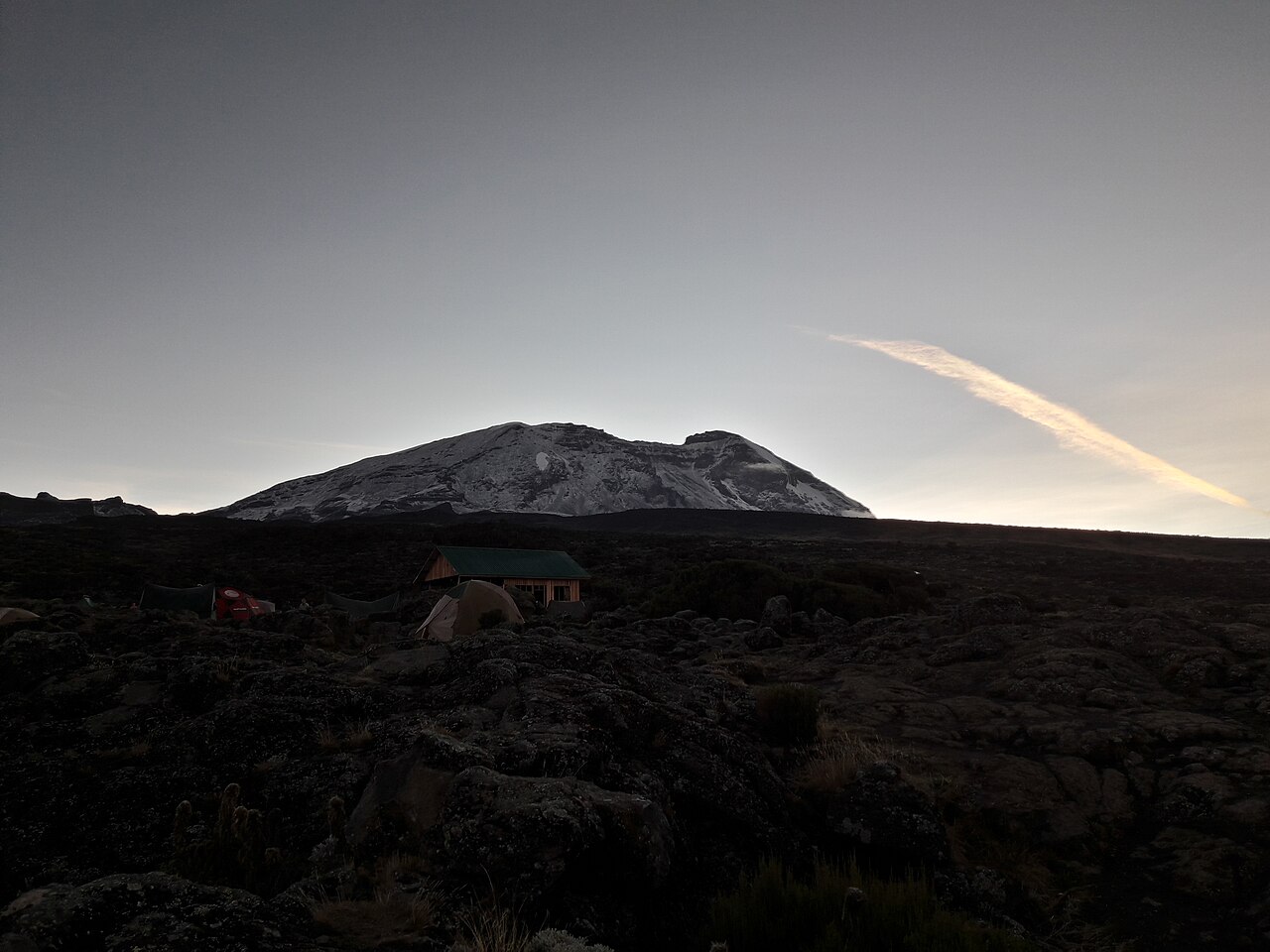
How do rain and cold affect the climb?
Rain can make lower paths muddy and leave clothing wet for the next day. That is an inconvenience on a short walk and a bigger issue when you are sleeping on the mountain for a week. Ask what waterproof layers and dry-bag protection the operator expects you to bring. Do not pack only for the warm afternoon you saw in a photo.
Higher up, cold and wind can make the summit attempt feel much harder than the previous days. Even in the drier months, you need suitable boots, layers, gloves and a headlamp. The park visitor guide advises cold-weather and rain gear. If you rent equipment, check what is available before arrival and test anything that must fit properly.
Visibility can be disappointing on the exact morning you hoped for a panorama. That is frustrating, but safety comes first. A guide who changes the plan in poor conditions is doing the job you hired them to do.
Does the season change which route you should choose?
It can influence comfort, but route choice should start with duration, terrain, accommodation and acclimatisation. Marangu uses huts while routes such as Machame and Lemosho use tented camps, according to the park guide. Huts may appeal during wetter weather, but a short hut itinerary is not automatically the better climb. Ask how long you spend at altitude and where you sleep each night.
The CDC's climbing guidance says adding one or two days facilitates acclimatisation. That is a stronger reason to select a route than a marketing label such as “easy”. The summit stays high in every month.
If you are also planning Zanzibar, do not assume its beach weather predicts Kilimanjaro conditions. They are different environments. Our Zanzibar month-by-month guide can help with the coast, while this page deals with the mountain.
How to pick dates that work for you
- Start with the broad window. June to September or January to February are straightforward choices for many climbers.
- Choose route and days next. Give yourself enough ascent time rather than buying the shortest package for a dry month.
- Check your flexibility. A recovery night in Moshi and a buffer before your international flight make the finish less stressful.
- Read the operator's safety plan. Ask about guides, health checks and changes for poor weather.
- Recheck the forecast. Seasonal averages help you choose a month; local forecasts help you pack and make final decisions.
Once those are settled, compare Kilimanjaro tours. Make sure a listing is a summit climb, not a day walk with a mountain name in the title. Our difficulty guide explains the difference in more detail.
Frequently asked questions
What are the best months to climb Kilimanjaro?
January to early March and June to October are popular starting points because they are often drier than the long-rain months. Actual mountain weather can still change quickly.
Is Kilimanjaro climbable in April or May?
It can be climbed, but the long rains can make paths wetter and views less dependable. Check route operations, gear and your tolerance for change before booking.
Is Kilimanjaro cold in the dry season?
Yes. The summit is high and can be very cold and windy even when the lower mountain is warm. Pack for both conditions.
Is January a good month for Kilimanjaro?
January often falls in a relatively drier spell and is a popular choice. It is not a guarantee of clear views or easy summit conditions.
Is September a good month to climb Kilimanjaro?
September is generally within the drier period and a sensible month to compare departures. Route length and acclimatisation still matter more than a single month name.
Does the rainy season make Kilimanjaro unsafe?
Rain raises the chance of wet gear and slippery paths, but safety depends on conditions, preparation and the guide team. Ask your operator for current route advice and be willing to change plans.
Should I choose a shorter route when the weather is good?
No. Better weather does not remove altitude risk. Consider an itinerary with enough days for your body to adjust.