

The most useful advice about tourist scams in Tanzania is not “trust nobody”. It is to confirm the price, provider and meeting point before you hand over money or a passport. Friendly people, market bargaining and someone offering a taxi are not scams by themselves. A made-up booking desk, a changed price after the journey or pressure to pay an unknown account are different matters.
The UK travel advice for Tanzania and the US State Department both discuss crime and financial scams. Their advice changes, so read guidance for your nationality before departure. This page is a practical checklist, not a claim that every city, guide or seller behaves the same way.
Before you arrive: protect the booking, not just the bag
Book major transfers and safaris through a business whose contact details you can independently verify. Search for the operator yourself, then compare the phone number, website and payment recipient with your confirmation. A message saying your hotel has changed its bank details deserves a call to a number from your original booking, not a reply to the message.
For entry documents, begin with official sources such as the Tanzania immigration visa portal and the Zanzibar inbound insurance portal. Similar-looking sites can charge extra or collect personal details. Our travel requirements guide links the relevant official starting points. Keep your booking confirmations available offline because a weak mobile signal is not an excellent travel agent.
Airport taxis and unexpected helpers
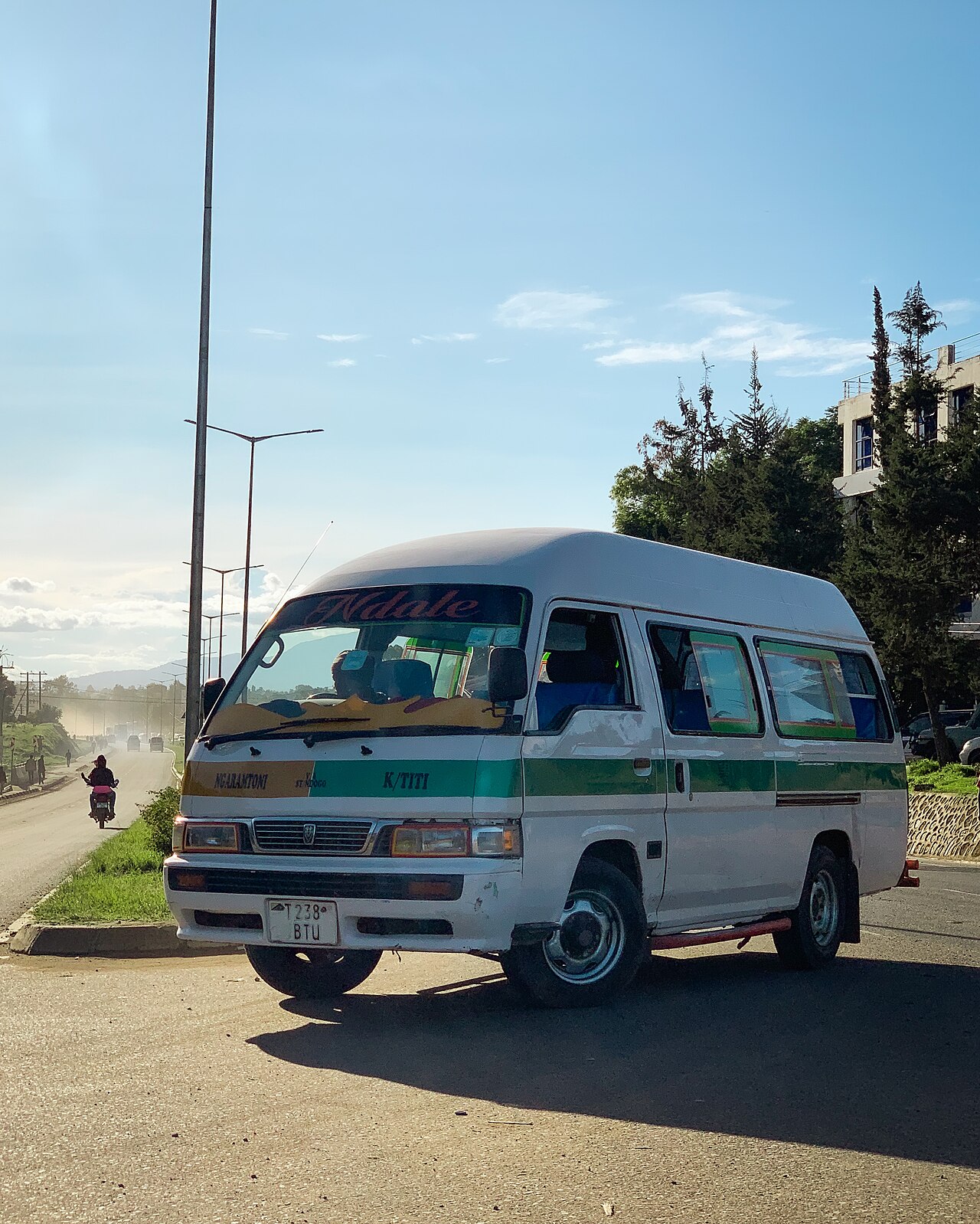
A driver waiting with a sign can be perfectly legitimate. Confirm your name, hotel and the company that sent them before getting in. If you did not prebook, agree the total fare, currency, destination and whether luggage or tolls are included before the car moves. Use a staffed airport desk or a transfer arranged by your accommodation if that feels easier.
Be cautious if someone says your original driver is unavailable and insists they have been sent as a replacement. Call your hotel or transfer company using the number on your own confirmation. The same applies at ferry terminals and bus stations. A person wearing a badge or speaking confidently is not independent proof of a booking. Never hand a stranger your passport so they can “sort it out” without verifying who they are and why it is needed.
Safari quotes that change shape
A cheap safari is not automatically fraudulent. It might simply exclude park fees, use a shared vehicle or include fewer hours in the park than you imagined. Ask for the full itinerary in writing: hotel names, park nights, game-drive days, vehicle type, internal flights, entrance fees, meals and cancellation terms. Check who receives the payment and whether the operator can supply a proper receipt.
Be alert to wildlife guarantees and vague claims such as “all fees included” without a breakdown. The animals have not signed a contract. Compare the total cost per useful park day rather than the headline price. Our safari tour guide and cost breakdown give you questions to take to an operator. If a seller insists you must pay immediately to keep an implausible discount, take a breath and check the details elsewhere.
What about tourist scams in Zanzibar?
In Stone Town and on popular beaches, you may be approached about tours, taxis, boat trips or souvenirs. An offer is not a scam, and a polite “no, thank you” is usually enough. Trouble starts when the price, operator, boat safety or exact activity stays unclear. For a boat trip, confirm departure point, return time, what happens in poor weather and what the price covers. Do not pay for “Mnemba Island entry” without understanding what access is actually being sold.
A guide can make Stone Town more interesting, especially for its history. Ask where the walk goes, its length and total cost before following someone into the lanes. If you want to browse a market without buying, say so. You do not owe a purchase because someone offered directions. Our Stone Town guide helps you plan a route yourself.
Cash, currency and cards
Check the currency on every quote. A price described as “dollars” should say whether it means US dollars; do not assume the same number in Tanzanian shillings. Count change in a calm place and keep a small amount of cash for ordinary purchases. For larger payments, request a receipt and use the payment method stated by the business you verified.
Use ATMs in sensible, staffed locations where possible, shield your PIN and review the amount and currency before confirming a card payment. If a card terminal appears to fail, check your banking app before trying again. That is good travel hygiene anywhere, not a special judgment on Tanzania. Keep a backup payment method separate from your everyday wallet.
If you feel pressured or something goes wrong
Leave the conversation if you can do so safely. Go to your hotel, a staffed desk or another public place, then contact your bank or card provider promptly if money has been taken. Keep screenshots, receipts, names and the original booking details. For a serious incident, follow local authorities' directions and your own government's current consular advice.
Do not confront a stranger over a small disputed amount in an isolated place. Your safety matters more than winning an argument about a taxi fare. The simplest prevention is often boring: confirm things in writing, pay a verified provider and let a surprisingly urgent offer pass. Tanzania has plenty worth seeing without turning every decision into a detective story.
Frequently asked questions
What are the most common tourist scams in Tanzania?
Watch for unverified transfers, fake or changed booking details, unclear safari inclusions, inflated or switched prices and pressure to pay an unknown recipient. Ordinary bargaining is not a scam.
Are Zanzibar beach sellers scammers?
No. Many are legitimate sellers. Agree a price and exact service before paying, and decline politely if you are not interested.
How do I avoid a fake Tanzania visa website?
Start from Tanzania immigration’s official portal and check the web address before entering passport or payment details.
Should I pay a Tanzania safari operator in advance?
Deposits are common, but verify the operator independently and get the itinerary, payment recipient and cancellation terms in writing before paying.
Are taxis safe at Tanzania airports?
Use a verified prebooked transfer or a staffed taxi desk, confirm the driver and agree the full fare and currency before leaving.
What should I do if I am overcharged in Tanzania?
Ask calmly for the agreed price and keep evidence. If you feel unsafe, leave and contact the relevant business, your bank or local authorities as appropriate.
Is Tanzania safe for first-time tourists?
Many first-time visitors travel successfully, but safety varies by location and situation. Read current official travel advice and use ordinary precautions with transport, money and bookings.