
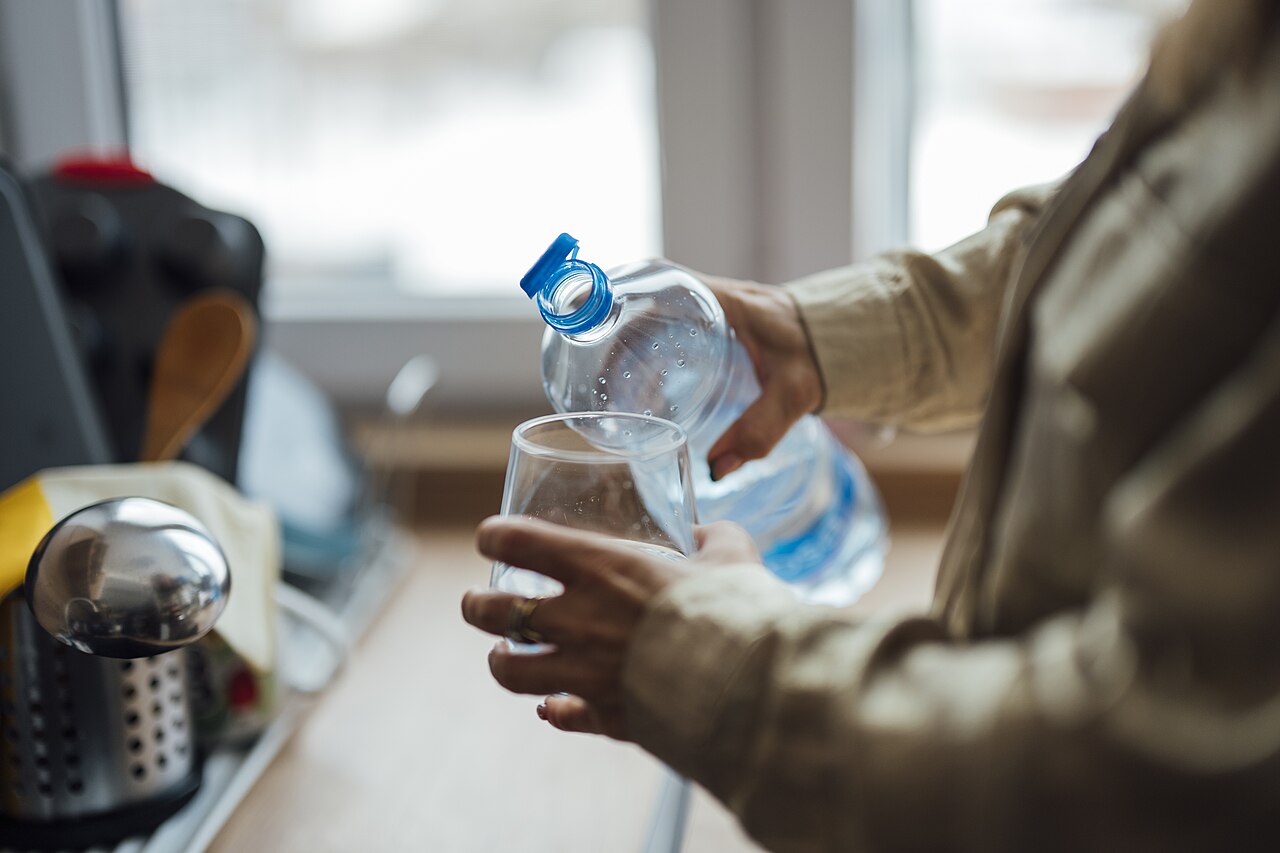
Can you drink tap water in Tanzania? Do not drink it untreated. Use sealed bottled water or water that has been properly treated for drinking. That is the straightforward answer whether you are in Dar es Salaam, Arusha, on safari or in Zanzibar. A hotel tap that looks clear is not proof the water is safe to swallow.
The US travel advice for Tanzania says tap water is unsafe to drink. The CDC explains drinking-water treatment and why water used for ice, food preparation and toothbrushing may matter too. This is general travel information, not personal medical advice. If you have a health condition or are travelling with an infant, ask a clinician for advice specific to you.
The short answer for a Tanzania trip
For drinking, choose water from a sealed, reputable bottle or water treated by a method you understand. Do not assume that a clear jug at a table is filtered. Ask what the hotel or restaurant does to make it drinkable. Many properties provide safe drinking water, but the process varies, so confirm rather than guessing from the star rating.
Keep a drink available on transfer days and game drives. A long road journey is not the best time to discover that your last bottle is empty. At the same time, do not panic because a few drops from a washed plate touched your meal. The goal is to make sensible choices consistently, not to inspect every teaspoon like a laboratory scientist.
What about hotel and resort tap water?
A luxury hotel, a safari lodge and a small guesthouse may have different water systems. Some provide treated water in your room or a refill station. Others put sealed bottles beside the bed. Ask which water is intended for drinking and whether the bathroom tap has been treated. “We have a water filter” is a starting point for a question, not a guarantee without knowing how it is maintained.
If a lodge supplies refillable drinking water, use the container it identifies. A reusable bottle can reduce single-use plastic if you fill it from a verified treated source. On a multi-day safari, ask how your guide supplies safe water and whether it is included in the price. This is an excellent detail to clarify before the vehicle leaves town.
Ice, fruit and brushing your teeth
Ice is water in a different outfit. If you do not know how it was made, ask or skip it. The same principle applies to drinks diluted with water. Food that has been washed with unsafe water can also be a concern; choose places with good food handling and consider fruit you can peel yourself when you are uncertain.
For toothbrushing, follow current travel-health advice and your own risk tolerance. Using bottled or treated water is the cautious choice, especially for children who may swallow more. If the hotel explicitly confirms its tap water is treated to drinking standard, ask how it does so rather than assuming every tap is identical. Do not use untreated tap water to prepare infant formula.
Showering and handwashing are different from drinking. Avoid swallowing shower water and wash hands well before eating. If you have cuts, a health condition or a particular concern, seek clinical guidance before travel rather than relying on a website's one-size-fits-all sentence.
Safer water options without buying a mountain of plastic
Sealed bottled water is easy to identify if the cap is intact and the source is trustworthy. Treated water from a hotel or guide can also be useful. If you bring a purifier, make sure it addresses the organisms relevant to your destination and follow its instructions. Not every basic filter removes viruses; the CDC treatment guide distinguishes boiling, filtration and disinfection rather than treating every gadget as equivalent.
Boiling can make water safer when done correctly, but a quick warm-up is not the same as a proper treatment. Chemical products have directions and waiting times. Do not improvise doses. If water is visibly dirty, treatment may need additional steps. In a town or resort, verified safe drinking water is generally simpler than running an experiment in your hotel sink.
Plan ahead for remote stays. Ask the lodge how it supplies drinking water, whether refills are available, and how much you should carry on hikes or long drives. This matters more than memorising a brand name. Refill from a source you trust, and clean reusable bottles as instructed.
What if you feel unwell?
Stomach problems can have many causes, not only water. Keep drinking safe fluids and seek medical advice if symptoms are severe, persistent or concerning, particularly for children, older travellers or anyone with a health condition. The UK Tanzania health advice is a useful starting point for planning care before departure.
Carry the details of your travel insurer and your accommodation. Tell a clinician about your symptoms and recent travel rather than self-diagnosing from a search result. The best prevention remains ordinary: drink from a safe source, ask about ice when unsure and keep a reliable bottle with you. Less exciting than a safari sighting, yes. Much more useful the next morning.
Frequently asked questions
Is Tanzania tap water safe to drink?
Do not drink untreated tap water. Choose sealed bottled water or water that has been properly treated for drinking.
Can you drink tap water in Zanzibar?
Treat it the same way: do not drink untreated tap water. Ask your hotel which water it provides for drinking.
Is bottled water safe in Tanzania?
Sealed water from a reputable source is generally the simplest option. Check the cap and storage condition, and ask your accommodation about treated refills.
Can you brush your teeth with tap water in Tanzania?
Using bottled or treated water is the cautious choice, especially for children who may swallow it. Ask your accommodation whether its tap water is treated.
Is ice safe in Tanzania?
Only if you know it was made from safe drinking water. Ask the venue or choose a drink without ice when uncertain.
Do Tanzania safari lodges provide drinking water?
Many do, but supply and treatment vary. Confirm what is included and how water is treated before a long drive or trek.
What should I do if I get sick after drinking water?
Seek medical advice for severe, persistent or worrying symptoms. Use safe fluids and tell a clinician about your travel and symptoms.