
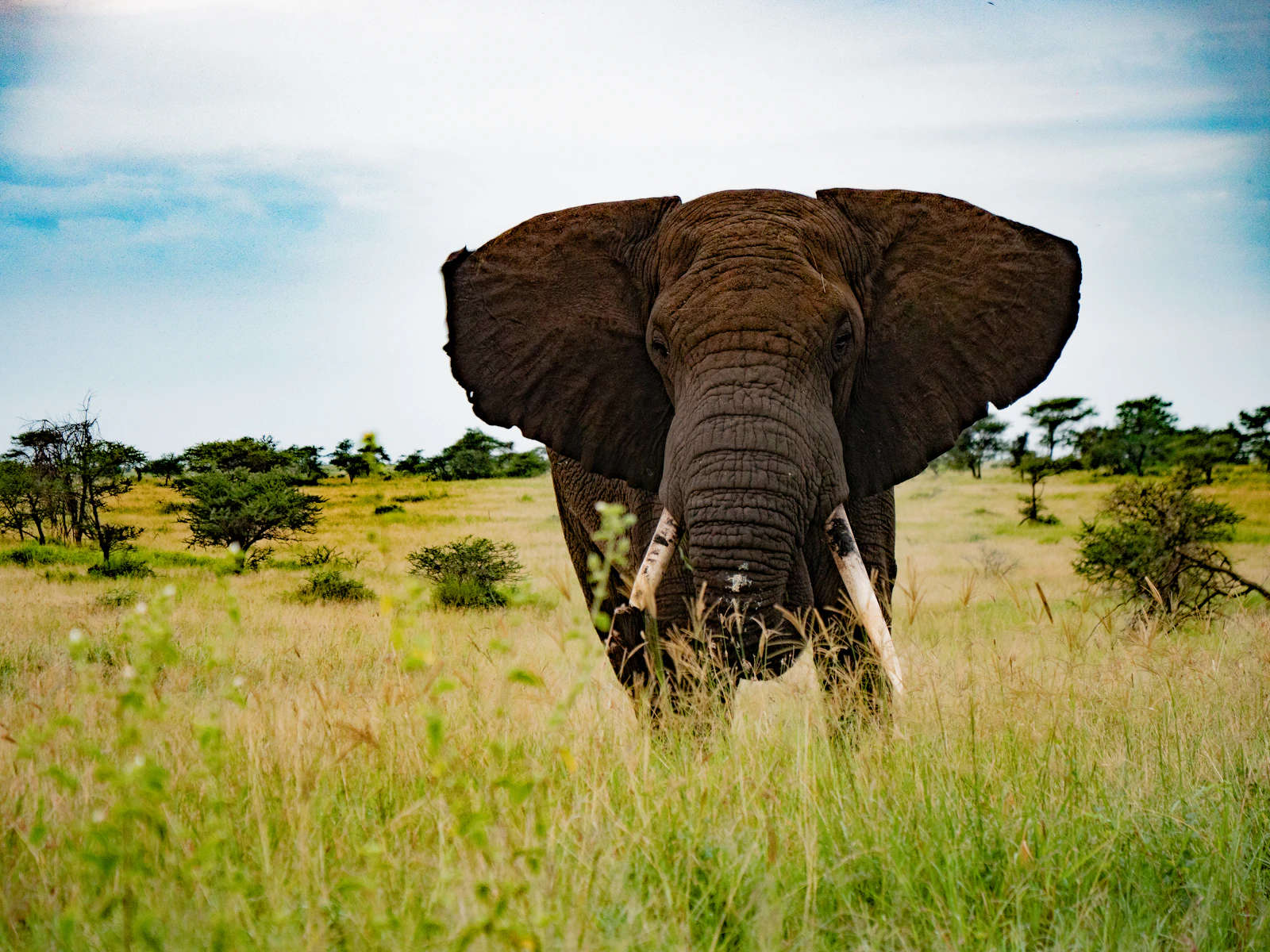
If you want the simplest answer, start with June to October for a classic dry-season safari. If you want to see calving in the southern Serengeti, look at January and February. If Zanzibar is the main event, check its rain and wind patterns separately. Tanzania is too big for one perfect-weather sticker.
Dates matter, but so does your route. A wildlife trip in Tarangire, a Serengeti migration search and a week on Zanzibar do not all peak on the same day. The migration moves with rain and grazing; a river crossing is never a scheduled performance. Pick your main priority, allow some flexibility and then choose your hotel or camp.
What is the best month to visit Tanzania?
July to September suits many first safari trips because conditions are often drier and wildlife tends to gather around water. Those months are also popular, which means busier routes and higher demand for well-placed camps. January and February can be excellent for the southern Serengeti calving season. June and October can be useful shoulder months if your route is planned carefully.
| When | Good for | Watch for |
|---|---|---|
| January to February | Southern Serengeti calving, warm coast | Hot days and variable local rain |
| March to May | Greener landscapes and quieter travel | Long rains, muddy tracks and disrupted plans |
| June to October | Dry-season safari and many coastal stays | Popular camps book early |
| November to December | Fresh green scenery and shorter rains in some areas | Showers and less predictable conditions |
The Tanzania Meteorological Authority publishes current forecasts. Use those for your actual travel dates, not a monthly average written months ago.
Tanzania month by month
January and February
These months can work beautifully for the southern Serengeti and Ndutu area if calving is your priority. Wildlife is not confined to a calendar page, so ask where the operator plans to stay and how much driving the route involves. Zanzibar is warm, but warm does not always mean windless or rain-free.
March, April and May
The long rains affect parts of northern Tanzania and Zanzibar. April and May are often the trickiest months for an itinerary with several remote stops. Roads can be slow, some camps close and boat plans may change. It can still be a rewarding trip if you accept flexibility and check which properties are actually open.
June to October
For many people this is the easiest window for a first safari. Vegetation is often thinner and animals may concentrate around remaining water. The Serengeti National Park notes dry-season migration opportunities, but exactly where herds are found changes. A camp near last year's sighting is not a guarantee for yours.
November and December
Short rains may return to parts of the north and coast, bringing a greener landscape. A shower does not usually mean it rains from breakfast to dinner, but plans should have room to move. If you want every day tightly scheduled, this is worth thinking about before you buy flights.
Best time for a Tanzania safari
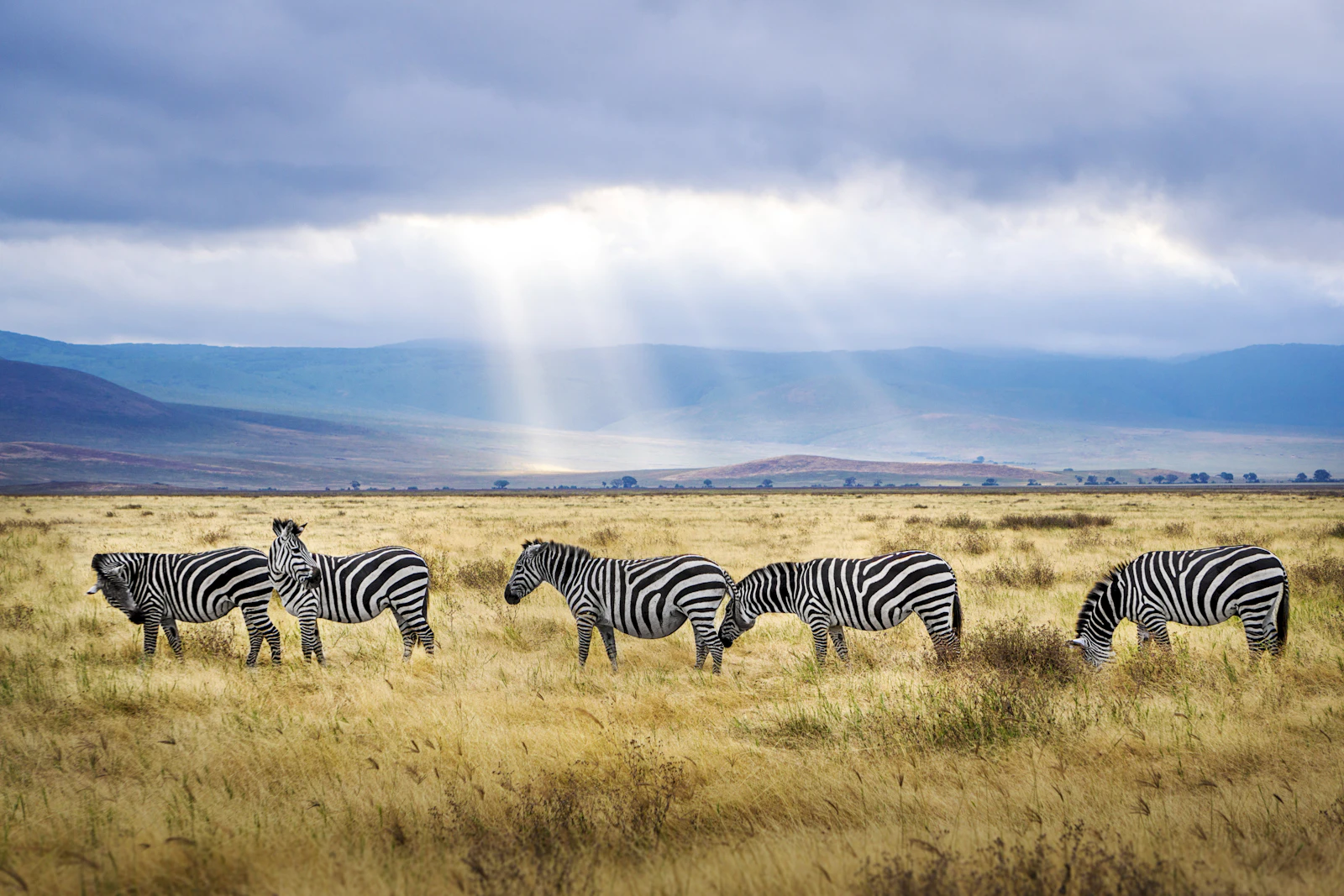
For a broad northern-circuit trip, the dry season is a straightforward starting point. Tarangire's river draws wildlife as surrounding areas dry, while Serengeti and Ngorongoro each have their own patterns. You can still see wildlife outside peak season. The better question is whether your chosen parks, camp locations and transfer days make sense for the month.
If the Great Migration is the goal, tell the operator what you actually hope to see. Calving on southern plains, herds in central areas and possible northern river crossings require different routes. No honest guide can promise a crossing on a particular afternoon. The TANAPA migration overview is a useful starting point before comparing products.
For a short trip, do not spend most of it chasing the herds across the map. Fewer parks and better wildlife time often beat an impressive list of places visited through a car window.
When is best for Zanzibar?
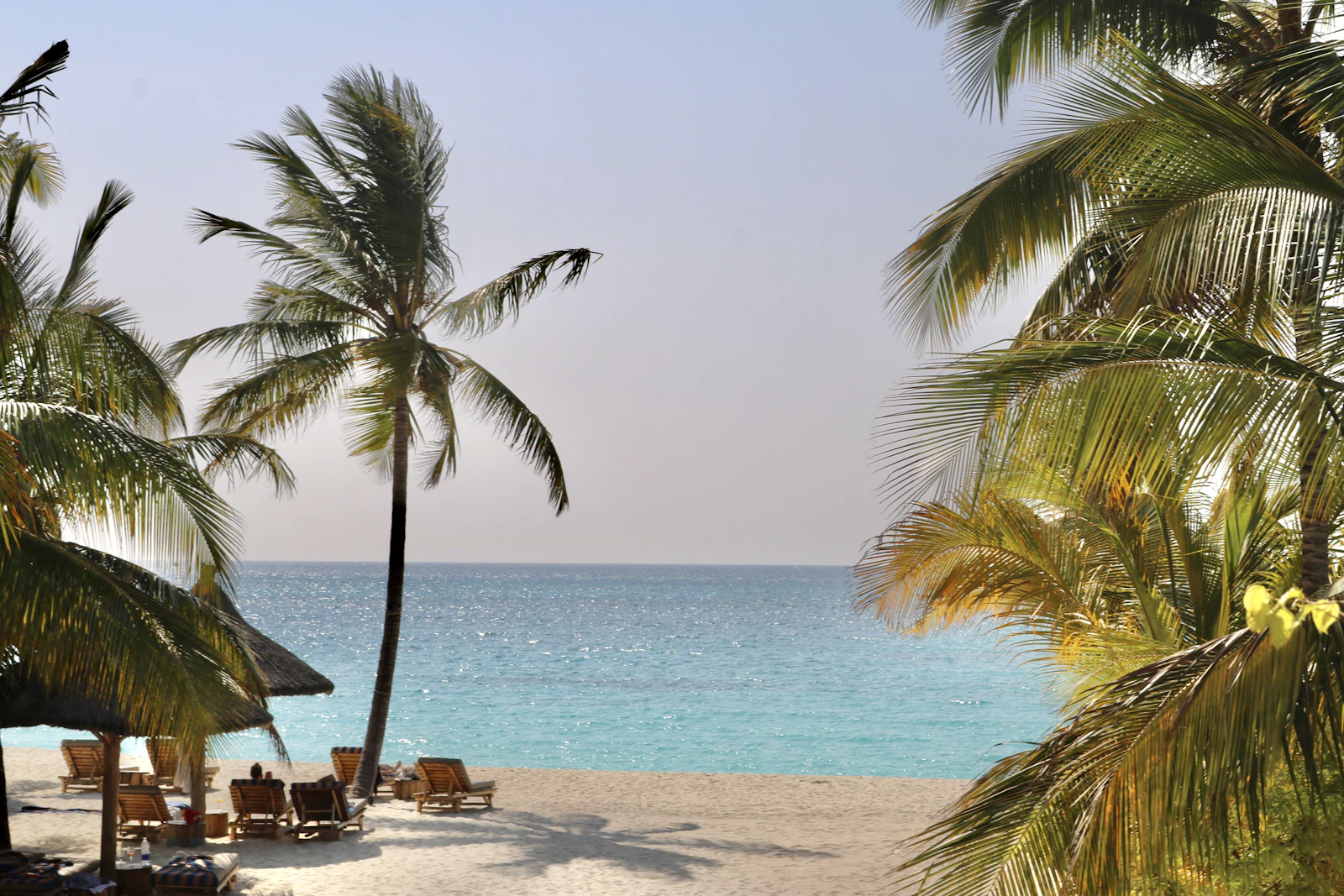
June to October is a common choice for drier conditions and comfortable beach days. January and February are generally hotter and can also work. Around the long-rain months, some boat trips and beach days may be less dependable. Weather differs between the north, east and south of the island, and the tide changes the swimming experience even on a sunny day.
Before booking a week by the sea, read our beach guide. Nungwi and Kendwa are often easier for swimming across the day than many east-coast beaches, where low tide can leave the sea a long way from the sand. That difference matters more than a glossy forecast icon.
How to choose your dates
- Name the main event. Is it a first safari, southern Serengeti calving, a Kilimanjaro climb or a relaxed beach week?
- Choose the right region. Tanzania's northern parks and Zanzibar do not share identical rain patterns.
- Check the real route. A long drive or domestic flight can use a full day whatever the weather.
- Price the complete trip. Flights, camps, park fees and transfers matter more than a cheap room viewed alone.
- Check current forecasts close to departure. Seasonal patterns are guidance, not a promise.
Our 10-day Tanzania itinerary shows how a sensible route can leave time for both safari and coast.
Frequently asked questions
What is the best time to visit Tanzania for a safari?
June to October is a popular dry-season window for a first safari. January and February suit travellers targeting calving in the southern Serengeti. Your park and camp location still matter.
What month is best for the Serengeti migration?
There is no single guaranteed month. Herd locations shift with grazing and rain. Ask where your camp is and what stage of the migration you want to see.
Is Tanzania worth visiting in the rainy season?
Yes, if you like green landscapes and can keep plans flexible. Some roads and camps become less practical during the long rains, especially in April and May.
When is the best time to visit Zanzibar?
June to October is a common starting point for a beach stay. January and February can also work, though they are warmer. Check local forecasts and the tide for your chosen beach.
Can I visit Tanzania and Zanzibar in one trip?
Yes. Decide how many real safari days you want first, then check flight and transfer time to Zanzibar. Avoid counting the travel day as a full day in both places.
Are July and August crowded in Tanzania?
They are popular safari months. Well-placed camps and flights can fill early, especially on sought-after Serengeti routes.
When should I book a Tanzania safari?
Once your dates and route are firm, start comparing operators and camps. Peak dry-season availability is easier to plan when you book ahead, but confirm terms before paying.