
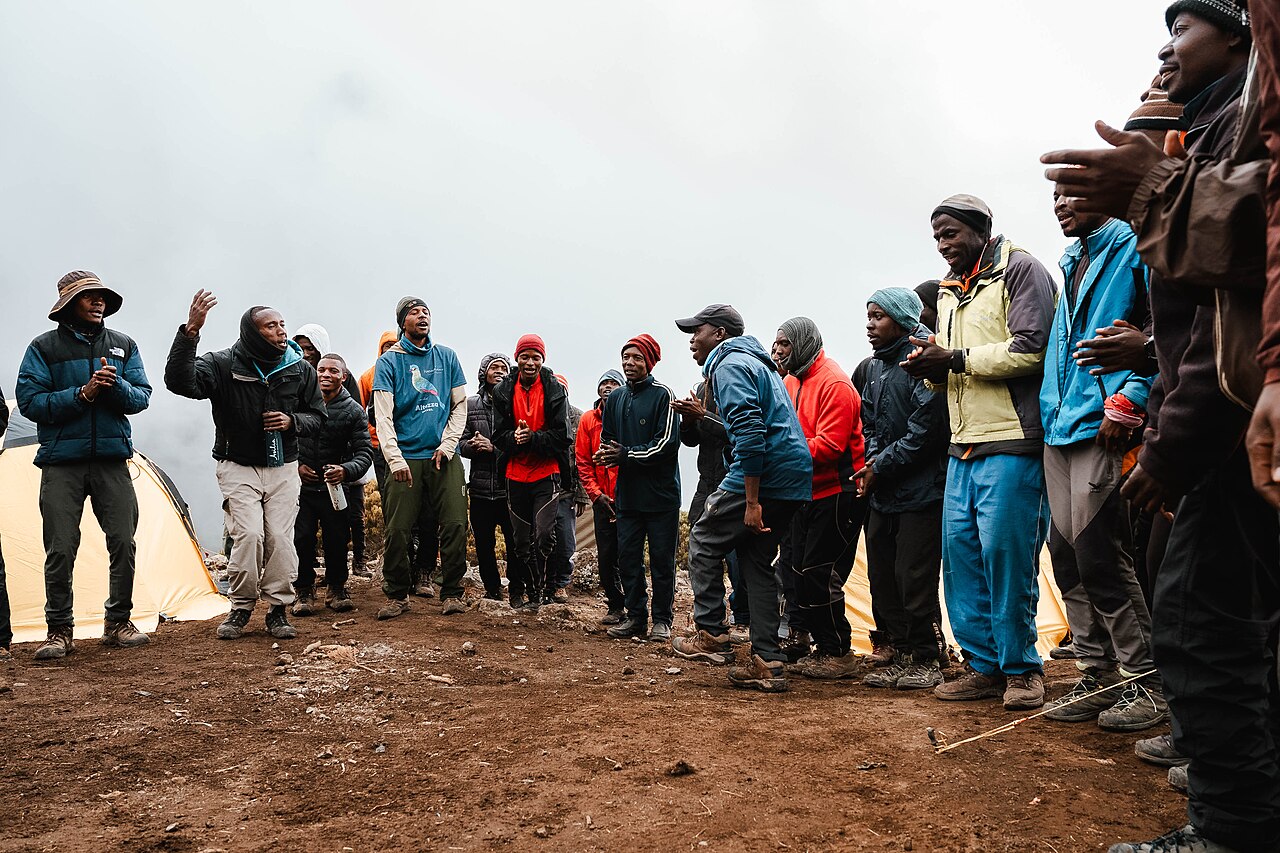
A Kilimanjaro climb is not priced like a day hike. You are paying for several days inside a national park, a licensed guide team, food, camping or hut accommodation and the logistics of getting everyone safely up and down. If a quote looks startlingly cheap, your first question should be what it leaves out.
Published group departures checked in October 2026 show a useful benchmark: a seven-day Machame trip listed by Climbing Kilimanjaro at about US$2,800 per person, while Ultimate Kilimanjaro lists an eight-day Lemosho departure at about US$3,299. These are examples from two operators, not an island-wide price rule or a live quote for your date. Compare inclusions before you compare the numbers.
How much does it cost to climb Kilimanjaro?
For a guided, multi-day group climb, published examples from established operators sit around US$2,800 to US$3,300 per person for the routes and dates above. Other trips can cost less or far more. Private climbs, longer routes, extra hotel nights and different crew arrangements change the total. A day walk in the lower park is a separate product and should not be compared with a summit expedition.
Do not treat any price on this page as guaranteed availability. Package prices, park charges and exchange rates can change. Click through to the operator's exact departure and read its inclusions. If a deal saves hundreds of dollars by cutting an acclimatisation day, that is not the same product at a lower price.
What are you actually paying for?
The park visitor guide says fees vary by visitor category, route and number of days; conservation, camping or hut and rescue charges may apply. A proper quote should tell you which mandatory fees are included. “Park fees included” is useful, but ask for the complete list.
- Guide and mountain crew: licensed guides, porters and cooks, with a sensible team size and working conditions.
- Park charges: entry, nights on the mountain and other applicable fees.
- Accommodation: tents or Marangu huts, plus any hotel nights before and after the climb.
- Food and drinking water: meals on the mountain and the arrangements for safe water.
- Transfers: airport, hotel, gate and return travel, where included.
- Safety: guide training, symptom monitoring, emergency communication and evacuation arrangements.
Two operators can both advertise “seven days” and still provide different hotel nights, private transport, equipment and crew terms. Read the itinerary line by line. The mountain will not discount a missing jacket because the web page looked reassuring.
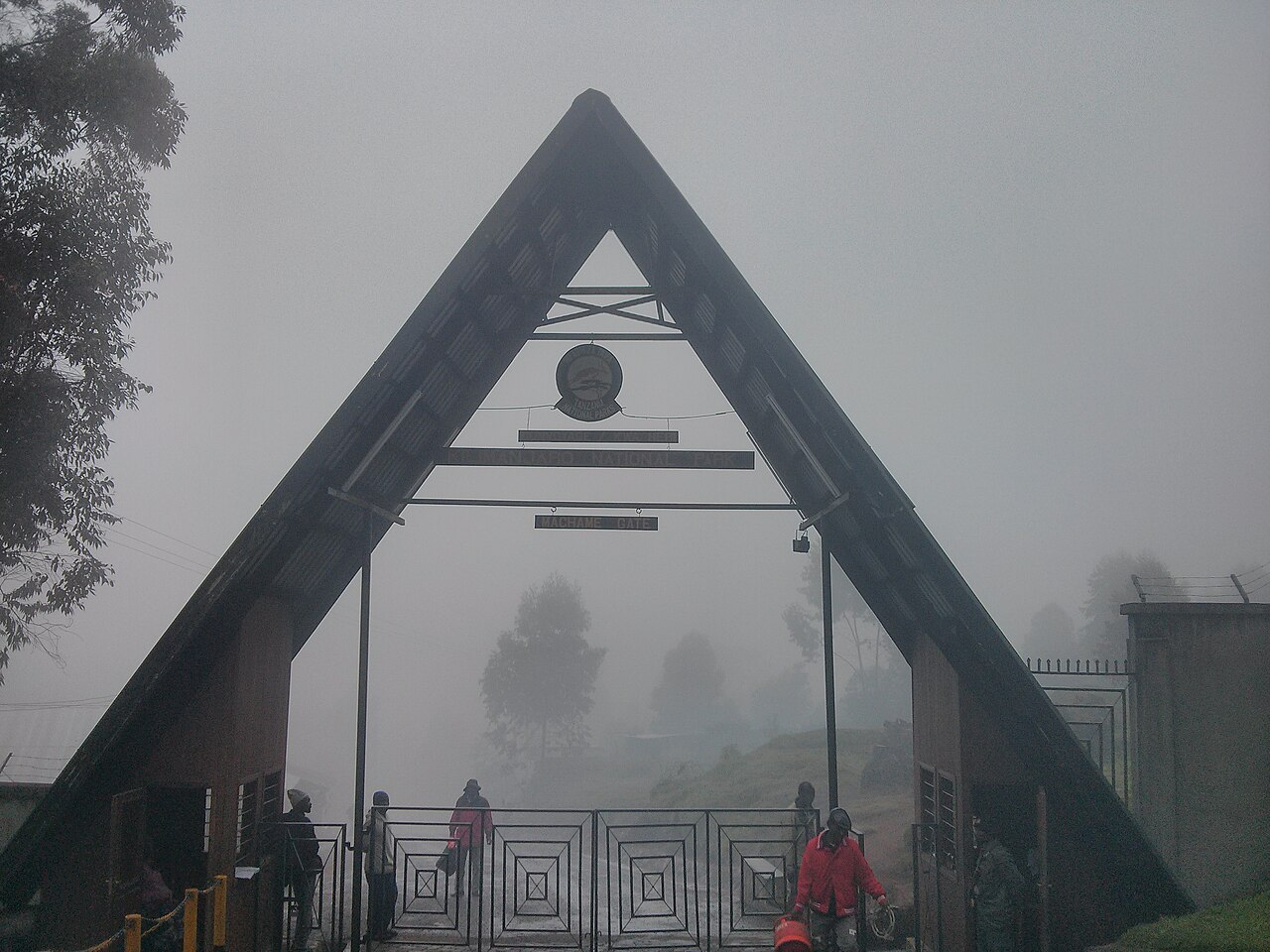
Two real published price examples
| Operator example | Published price | What to verify |
|---|---|---|
| 7-day Machame, Climbing Kilimanjaro | About US$2,800 per person | Departure date, hotel nights, gear and tips |
| 8-day Lemosho, Ultimate Kilimanjaro | About US$3,299 per person | Exact itinerary, inclusions and availability |
These examples come from the operators' own published tour list and 2026 departure list. They are not like-for-like quotes: Lemosho has an extra mountain day in this comparison. A fair comparison needs the same route, duration, season, group size and inclusions.
What might sit outside the advertised price?
International flights are usually separate. Depending on the operator, so may be travel insurance with high-altitude cover, visa costs, vaccinations or medical consultation, hire of sleeping bags and warm layers, crew gratuities, drinks outside mountain meals and extra nights in Moshi or Arusha. You may also need to budget for a missed connection or a recovery day after the descent.
Ask for a written list of exclusions. If tips are expected, ask for the suggested total and how it is shared, rather than trying to calculate it at the gate while everyone is watching. If rental gear is offered, ask what sizes and quality are available. Test boots before the trip; this is not the moment for a first date with new footwear.
The Moshi hotel guide can help with pre-climb and post-climb nights. Keep those nights in the whole-trip budget, not hidden in a separate browser tab where money apparently does not count.
How to compare two Kilimanjaro quotes fairly
- Match the route and days. Count actual days on the mountain and note any acclimatisation day.
- Check the people. Ask who operates the climb, how many guests share a guide and what crew support is included.
- List every fee. Confirm all park, camping or hut, rescue and transfer charges in writing.
- Check safety before perks. Ask about altitude checks, evacuation and the guide team's training. Our difficulty guide explains why this matters.
- Add your own extras. Flights, insurance, gear, tips and extra accommodation belong in the final total.
Only then compare the final amount per person. A cheaper headline can be a good deal, but it can also be a shorter trek with more bills waiting at the end. Browse Kilimanjaro tour listings after you know what a fair quote looks like.
Frequently asked questions
How much is a Kilimanjaro climb per person?
Published 2026 group examples checked for this guide were about US$2,800 for seven-day Machame and US$3,299 for eight-day Lemosho. Your real price depends on route, dates, group size and inclusions.
Why is climbing Kilimanjaro expensive?
A multi-day climb includes mandatory park charges, guides and crew, food, mountain accommodation and transport. Longer routes add days and usually cost more.
Are Kilimanjaro park fees included in tour prices?
Often, but do not assume so. Ask the operator to list conservation, camping or hut, rescue and any other applicable charges in writing.
Is a cheaper Kilimanjaro tour safe?
Price alone cannot tell you. Compare days for acclimatisation, licensed guides, emergency arrangements, crew support and all inclusions before deciding.
Do I need to tip Kilimanjaro guides and porters?
Many operators give a suggested crew gratuity that is not included in the listed package. Ask for the amount, currency and distribution method before you book.
Can I climb Kilimanjaro without a guide to save money?
No. The Kilimanjaro National Park visitor guide says climbs must use a licensed operator and solo trekking is not permitted.
Is a one-day Kilimanjaro tour cheaper than a summit climb?
Usually, because a lower-mountain day hike does not include nights and a summit attempt. It is a different experience, so check the highest point reached.