
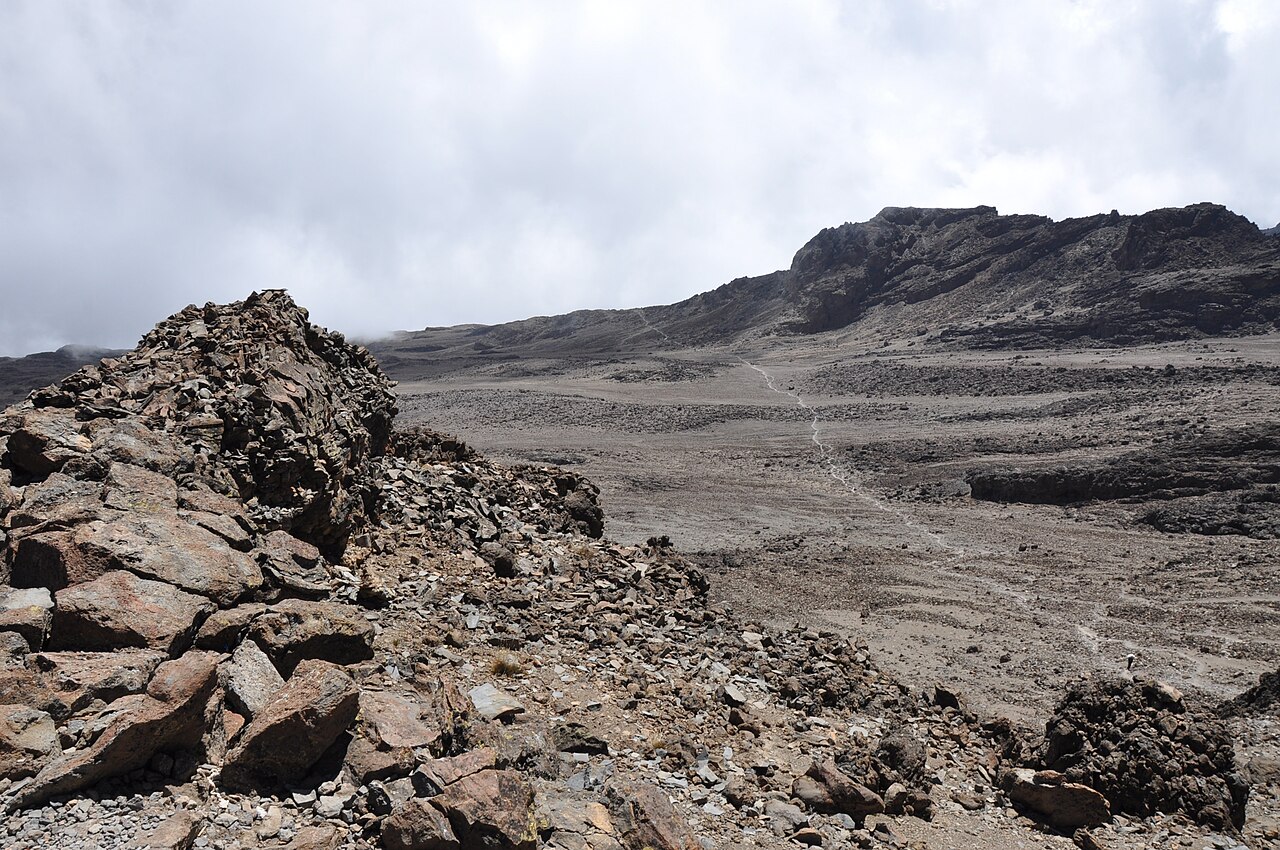
The most useful Kilimanjaro training is regular walking, gradually longer hikes and enough recovery to do it again the next day. You do not need to become a marathon runner. You do need to learn how your feet, layers and backpack behave after several hours. That is more revealing than a heroic gym session once a month.
There is one important limit. The CDC's high-altitude guidance says physical fitness does not prevent altitude illness. Training can make the walking and recovery easier, but route length, gradual ascent and your guide team's response to symptoms still matter. If you have a health condition, ask a qualified clinician for personal advice before booking.
What are you training for?
Kilimanjaro is not a technical climb on its standard trekking routes, but it is a multi-day walk to high altitude. You may walk for several hours on successive days, sleep in basic conditions and start the summit push when you would normally be asleep. The challenge is the whole week, not one steep hill on a training poster.
Start by checking the exact tour. A lower-mountain day hike does not require the same preparation as a summit expedition. Among summit routes, the number of days and ascent profile vary. Our Kilimanjaro tour comparison helps distinguish those products. A longer itinerary gives more time to adjust, although no route removes altitude risk.
Think of preparation in three parts: steady walking endurance, enough leg strength for uneven ground and practical familiarity with your kit. You do not need a mountain on your doorstep. Stairs, local hills and long weekend walks can still teach you a lot.
A flexible training plan for the months before departure
This is an example, not a medical or personalised exercise prescription. Start at a level that is comfortable for you and increase gradually. If you are already active, you may need less lead time; if you are starting from scratch, allow more. Rest and injury prevention matter more than ticking off an impressive spreadsheet.
| Phase | Useful focus | Check yourself |
|---|---|---|
| Early weeks | Regular walks and basic strength work | Can you repeat the routine without pain? |
| Middle weeks | Longer walks, hills or stairs and pack practice | Do your shoes and socks still work after hours? |
| Final weeks | Some back-to-back walking days, then lighter activity | Can you recover well between days? |
Two moderate walks during the week, a longer weekend hike and strength work can be a useful pattern. The exact duration depends on your baseline and health. If increasing distance causes persistent pain, stop pushing through it and seek advice. Your goal is to arrive ready, not to win a training injury.
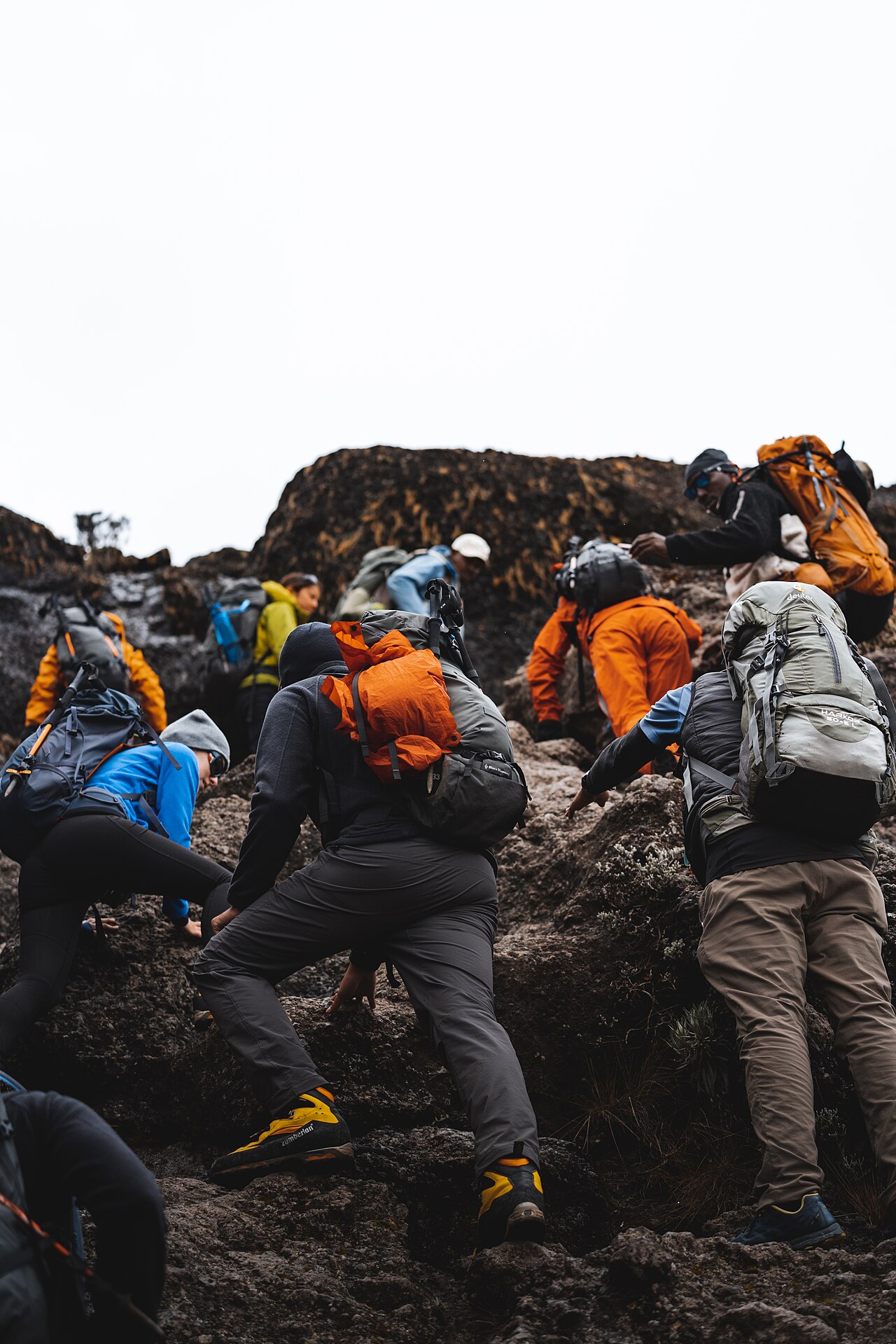
Make your training hikes realistic
Use at least some uneven terrain. A smooth treadmill cannot tell you how your knees feel on a long descent or whether loose stones make you tense. Practice a calm pace and short breaks. You should be able to talk rather than racing for a personal best. Walking steadily for many hours is the skill you are building.
Carry the daypack you plan to use, with water, an extra layer and rain protection. Test how it sits when full. If poles are part of your plan, learn to use them on descents before the trip. New kit introduced on summit night is a little like learning to drive while joining a motorway.
Try two walking days in a row when your usual routine allows. The second day shows whether your shoes rub and how well you recover. You do not need to mimic the summit's altitude in a local park. Focus on the factors you can safely practise.
Footwear, layers and recovery
Wear your planned boots or hiking shoes on training walks. Blisters often come from fit, socks or lacing rather than a lack of toughness. Break in footwear before travel, and keep the socks that work. Test a waterproof layer in actual rain if you can. A jacket that feels fine in a shop may become uncomfortable after an hour with a pack.
Cold near the summit requires appropriate layers, gloves and head protection. Ask your operator for its exact kit list and whether rentals are available. If you rent boots, ask about sizing and try them before the climb starts. Sleep, food and hydration during training help you recover; do not try a dramatic new diet in the final week.
Plan a rest buffer after the climb if your flights allow it. A descent can leave legs sore even after a successful summit. The difficulty guide explains why descent and summit night deserve as much attention as the climb up.
Training does not solve altitude
Being very fit can make people walk faster than is wise. It does not guarantee acclimatisation. The CDC's Tanzania climbing guidance advises allowing extra days to help the body adjust. Ask an operator how it monitors symptoms and what happens if someone needs to descend.
Learn the warning signs your guides describe and report symptoms honestly. Do not treat a summit target as more important than your health. Questions about medication or your personal risk belong with a clinician who knows your history. A good tour should make that conversation easy, not imply you can simply “train altitude away”.
Frequently asked questions
How long should I train for Kilimanjaro?
Allow several months if you can, adjusting to your starting fitness and health. Consistent walking and gradual increases are more useful than a last-minute burst.
Do I need to run to climb Kilimanjaro?
No. Running can help general fitness, but long walks, hills, strength and recovery more closely match the daily trekking demands.
Can a fit person still get altitude sickness?
Yes. Fitness does not prevent altitude illness. Choose enough ascent days, listen to your guides and discuss personal medical questions with a clinician.
What is the best exercise for Kilimanjaro?
Regular walking on varied terrain, gradually longer hikes and practice with your daypack are strong starting points. Strength work can help with descents.
Should I train with a backpack?
Yes, with a realistic daypack rather than an extreme load. It lets you adjust the fit and learn what you can comfortably carry.
Do I need to train at altitude?
It is not required for most travellers and cannot replace a sensible ascent itinerary. Ask a qualified clinician about any altitude-related concerns.
Can beginners climb Kilimanjaro?
Some beginners do, but preparation, route duration, health, guide quality and realistic expectations matter. Compare a genuine summit expedition with a shorter lower-mountain hike.