
For a beach holiday with fewer weather surprises, start with June to September. October can be lovely too, though the short rains may begin. January and February are another option if you like it hot. April is the month I would think hardest about before booking a trip built around sun, sand and boat days.
That is the short answer. The useful answer depends on what you want to do. A rainy afternoon is no great tragedy if you are staying for two weeks and can move a snorkelling trip. It matters more if you have two beach days at the end of a safari and have already booked both on the water.
Zanzibar's seasons are patterns, not reservations. The Tanzania Meteorological Authority describes long rains from March to May and shorter rains around October to December for the islands. The Zanzibar Commission for Tourism recommends the drier June to October period for outdoor travel. Use this guide to choose a window, then check the forecast shortly before departure.
When is the best time to visit Zanzibar?
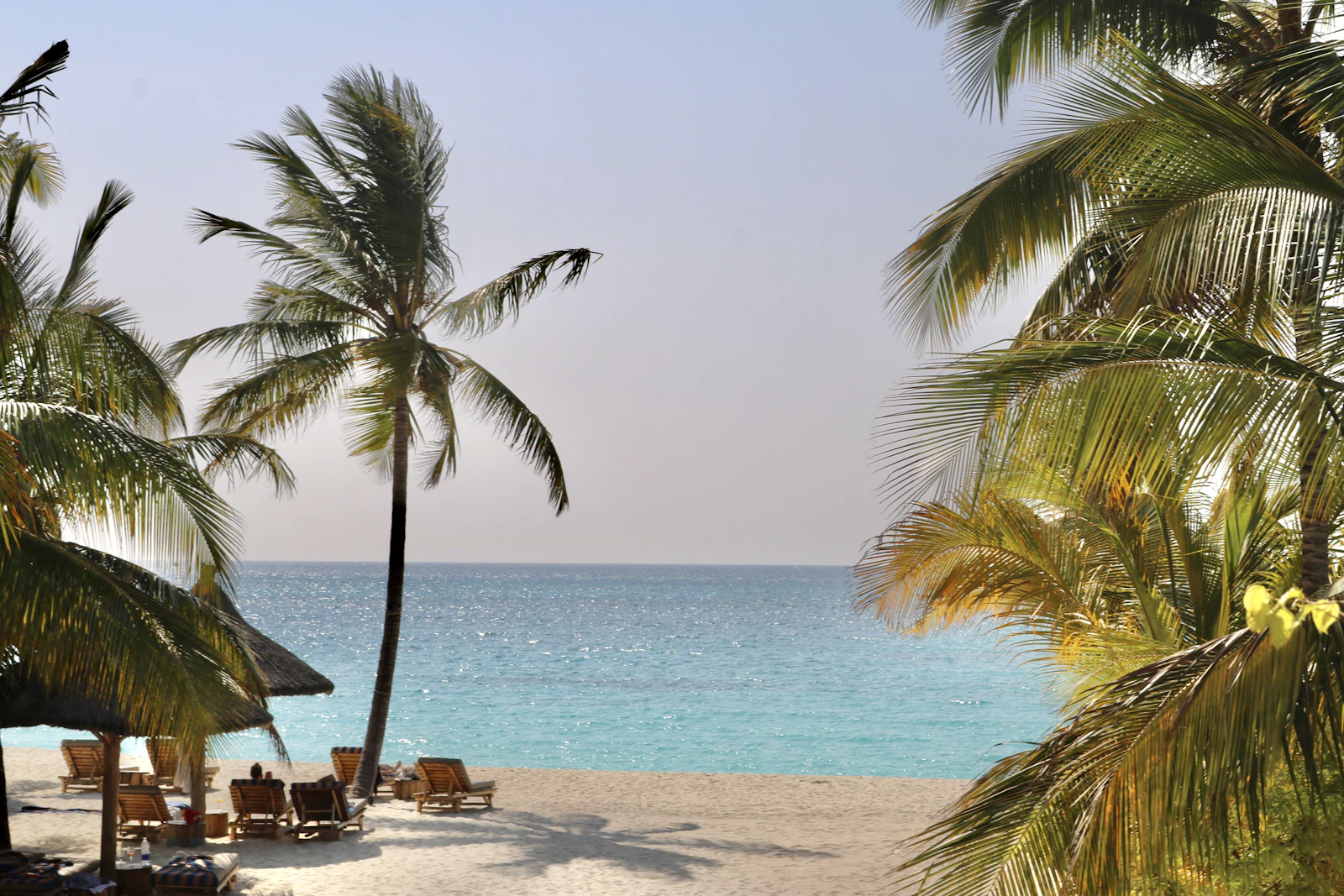
June to September is the safest simple answer for most first-time visitors who want beach days, Stone Town walks and a few trips on the water. It is generally drier than the long-rain months. October can still be a good choice, but it sits closer to the less predictable short-rain season.
January and February are worth considering if you prefer warmer weather and do not mind humidity. March to May brings the long rains, with April commonly the most awkward month for a sun-first itinerary. November and December can bring shorter, patchier rains. None of that means every day in a wet-season month is wet, or every dry-season day is sunny.
Choose the drier window if you can. If your dates are fixed in the rainy season, book a hotel you would enjoy even if an outing changes, and avoid paying in advance for every boat trip.
Zanzibar weather by month
This is a planning guide, not a promise about next Tuesday. Rainfall can shift from year to year. The table shows the usual pattern and what it means when you are arranging a real trip.
| Month | Usual pattern | What it means for your trip |
|---|---|---|
| January | Hotter, relatively drier spell | Beach time if you are happy with heat and humidity |
| February | Hotter, relatively drier spell | A warm beach break; leave room for a shower |
| March | Long rains can begin | Flexible plans are more useful than a packed boat schedule |
| April | Usually within the long-rain season | The least dependable choice for a sun-first holiday |
| May | Long rains may continue | Check hotel operations and boat trips before booking |
| June | Drier season begins | A good starting point for beach days and excursions |
| July | Generally drier | Popular for a safari and Zanzibar trip |
| August | Generally drier | Good beach window; book sought-after stays ahead |
| September | Generally drier | A strong all-round choice for the island |
| October | A transition month | Often good early on, but short rains can arrive |
| November | Short-rain season | Trips can work, with a flexible outdoor plan |
| December | Short rains may continue | Festive travel is possible; do not expect a dry-day promise |
For precise travel dates, use a recent local forecast. If you are booking a boat trip, ask the operator about sea conditions as well as rain. A perfectly blue sky does not make every crossing comfortable.
What happens in Zanzibar's rainy season?
March to May: the long rains
This is the wetter period to take seriously when planning a beach-focused holiday. Heavy showers can interrupt time outside, paths can be muddy and a boat day may need moving. Some accommodation and tour providers reduce operations during the quieter weeks, so check directly before you book. April often gives you the least margin for a tightly planned stay.
It is possible to enjoy Zanzibar in the long rains. Stone Town, food and a hotel with space to relax still have appeal. But if you have been picturing seven reliable days on the sand, this is not the period I would choose first. A cheap room is not a bargain if the holiday you wanted is mostly happening indoors.
October to December: the short rains
The second rainy period is usually less sustained and more variable. You may get usable beach time around showers, but a week can still feel different from the same week in another year. October is a transition, not a switch that flips on the first day of the month. November and December deserve more flexibility.
Weather forecasts become more useful as departure approaches. Check local updates rather than treating an average monthly symbol on a booking site as a personal weather report.
Best months for beaches, swimming and snorkelling
For long beach days, begin with June to September, then look at October and the hotter January to February window. If a boat or snorkelling trip matters most, ask about the sea on your exact date. Operators may change routes or cancel for wind and swell even in a generally dry month. The Mnemba snorkelling guide helps you compare departure points and inclusions, but the final call belongs to the operator on the day.
Weather is only half the beach decision. On much of the east coast, low tide can pull the sea a long way from shore. That happens in every season. If you want to walk out for a swim whenever you fancy, compare the north-west beaches such as Kendwa and parts of Nungwi with the more tide-sensitive east. Our Zanzibar beach guide explains the differences without pretending all white sand behaves alike.
Wind can be great news for a kitesurfer and less welcome if your main plan is to float quietly in shallow water. If you want lessons in Paje, speak to a local school about conditions and your experience before choosing a fixed day. If you want a calm boat ride, do the same with the boat operator.
Best time for a safari and Zanzibar in one trip
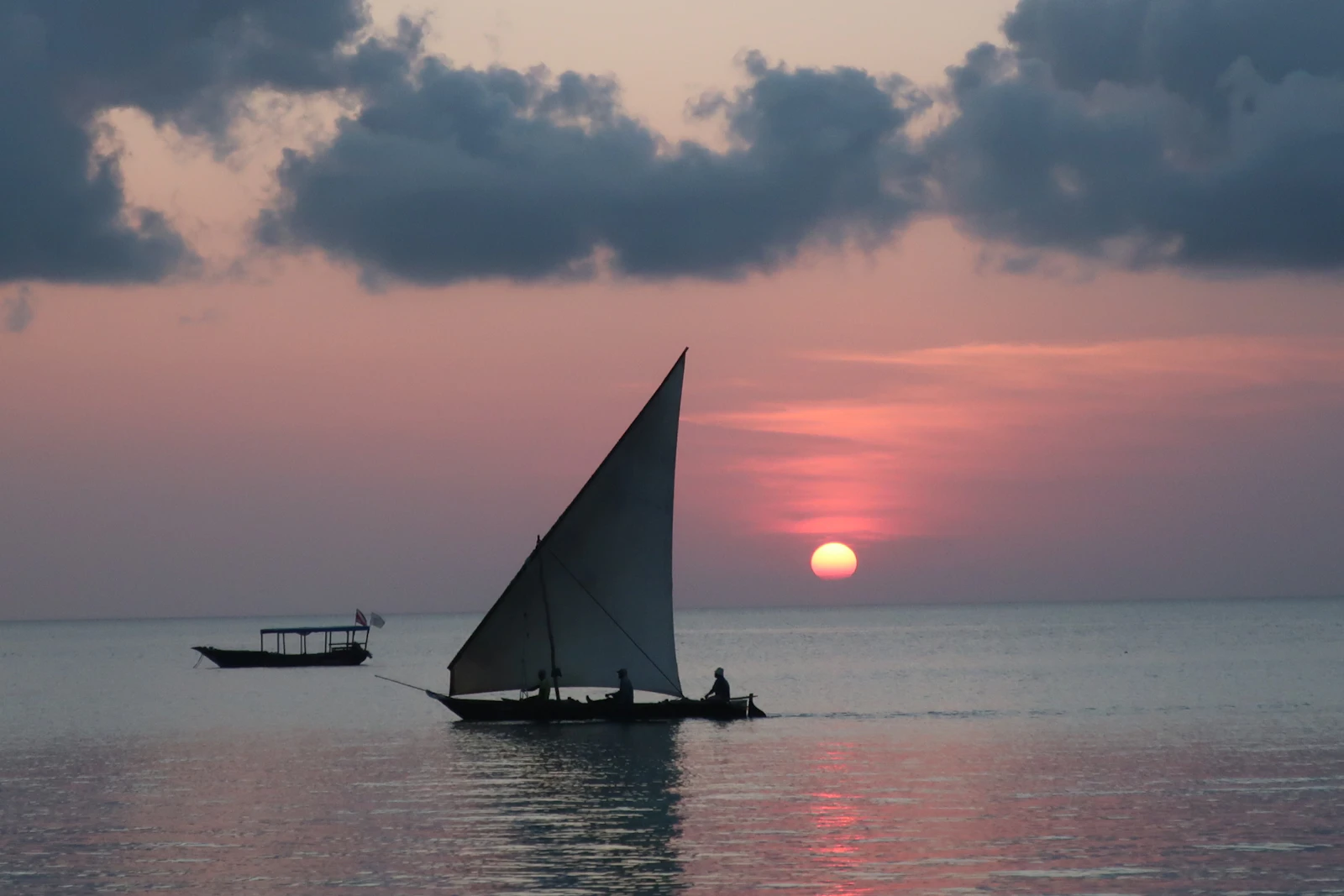
June to September is an easy place to begin planning both parts of a first Tanzania trip. The island is generally in its drier stretch, while the northern safari circuit is in its main dry-season period. That does not make a Serengeti sighting or a boat outing guaranteed. It simply gives you a sensible seasonal overlap.
January and February can also work if a southern Serengeti calving-season route is your priority and you like a warmer finish on Zanzibar. But the safari depends on the exact area and camp, not just the month printed on your flight ticket. Read the separate Tanzania seasons guide if wildlife drives the decision, and our 10-day itinerary before you try to fit too many parks into too few days.
Do not book the beach hotel until you know when and where your safari ends. An internal flight and a transfer can take a surprising chunk of a day. Better to arrive at sunset and enjoy it than to call that a full beach day on the itinerary.
How to choose your Zanzibar dates
- Decide what would spoil the trip. If it is several lost beach days, favour June to September. If you can take weather in your stride, the shoulder periods may be fine.
- Choose your coast. North-west swimming, east-coast kite conditions and Stone Town visits are different holidays sharing one island.
- Keep an outdoor day free. It gives you a chance to move a boat trip if the sea disagrees with the original plan.
- Check the exact property. A pool, covered dining and recent guest feedback matter more when rain is possible. Start with our Zanzibar hotel shortlist.
- Check again close to departure. Use the Tanzania Meteorological Authority for current conditions and your operator for sea-related decisions.
There is no secret perfect month that every other traveller has missed. Pick the season that suits your priorities, then leave a little room for the island to be an island.
FAQs about the best time to visit Zanzibar
What is the best time to visit Zanzibar for good weather?
June to September is the simplest starting point for a drier beach holiday. October can work too, especially earlier in the month, but the timing of the short rains changes from year to year.
What is the rainy season in Zanzibar?
Zanzibar has two main rainy periods: the longer rains usually run from March to May, while the shorter, more variable rains generally fall from October to December. These are seasonal patterns, not a forecast for your exact week.
Is April a bad time to visit Zanzibar?
April sits in the long-rain season, so it is a riskier choice if your whole trip depends on beach weather or boat outings. It is not certain to rain every hour. Check that your chosen hotel and activities are operating, and keep plans flexible.
Is Zanzibar worth visiting in November?
Yes, if you can accept showers and shift outdoor plans. November is within the short-rain period, which is less predictable than the main dry season. A fixed schedule of boat trips is harder to recommend.
Is January or February good for Zanzibar?
Both can suit a beach holiday if you like hot weather. They are relatively drier months in the local climate pattern, but humidity and occasional rain still happen. Choose the coast you want rather than assuming every beach is the same.
When is the best time for a Zanzibar beach and Tanzania safari trip?
June to September is a practical overlap for many first-time trips: Zanzibar is generally drier and northern Tanzania has its main dry-season safari window. Your safari park, camp location and travel days still deserve a separate check.
When is the best time for snorkelling in Zanzibar?
Start with the drier months from June to October, then check the actual sea forecast with your operator. Visibility, wind and boat safety change from day to day, so no month guarantees a perfect Mnemba or reef trip.