
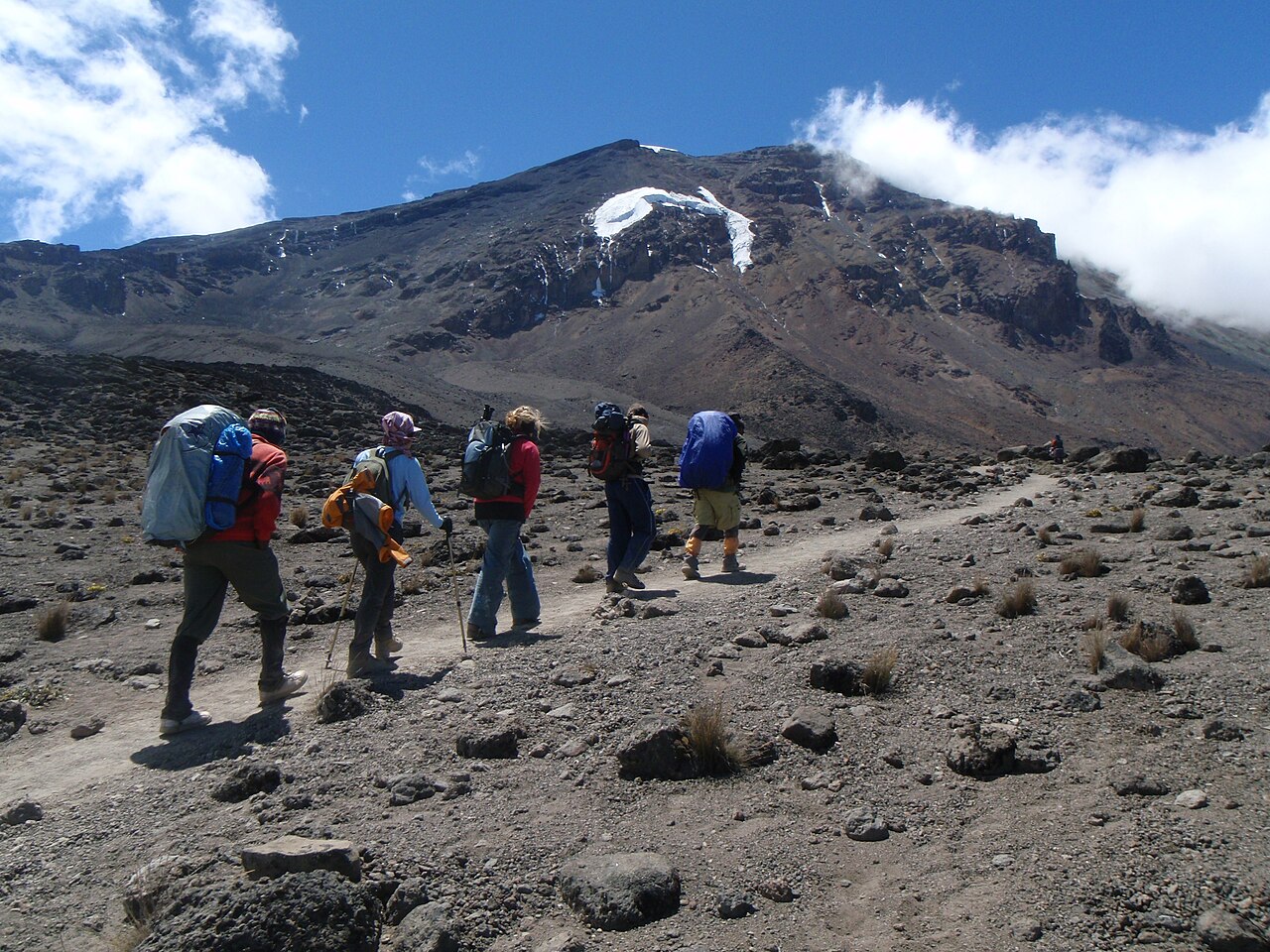
Kilimanjaro is physically demanding, but it is not a technical rock climb on the usual trekking routes. The harder part is getting from a low-altitude start to 5,895 metres while walking for days, sleeping in basic mountain accommodation and coping with a very cold summit push. Fitness helps. It does not make you immune to altitude sickness.
The park authority says a climb to Kibo typically takes five to eight days, depending on the route, and that extra time improves the chance of reaching the top. Think of this as a multi-day trek with a serious high-altitude finish, not a long version of a Sunday hill walk.
Is Kilimanjaro hard to climb?
Yes, for most travellers. You may not need ropes or climbing skills on the standard routes, but you will walk on uneven ground day after day, often in changing weather. You must also be prepared to turn back if altitude symptoms make it unsafe to go higher. Reaching the summit is never owed to anyone who paid for a tour.
A day hike in the lower park is a different product. Some listings use the word “Kilimanjaro” for walks that do not attempt the summit. Read the route, number of nights and highest point before booking. A pretty forest walk can be excellent, but it is not a summit climb with a bargain price tag.
What makes Kilimanjaro difficult?
Altitude is the main challenge
The summit stands at 5,895 metres. Air pressure falls as you ascend, and your body needs time to adjust. The CDC altitude guidance advises a gradual ascent and says people with worsening symptoms should not continue higher. Even strong hikers can feel unwell at altitude. Treat a headache or nausea as information to share with your guide, not a test of character.
Summit night is long and cold
Operators commonly time the final push to reach the top near sunrise. You may walk in darkness, then descend while tired. Ask each operator for the expected walking hours on summit day, the temperature range they prepare for, and how the guide team makes a turn-back decision. A route description that says only “summit day” is missing the detail you need.
Several days add up
Each day's walk may sound reasonable on its own. Add poor sleep, basic facilities and changing weather, and it can feel very different by day five. You will be happier if your training includes consecutive walking days rather than one heroic weekend hike.
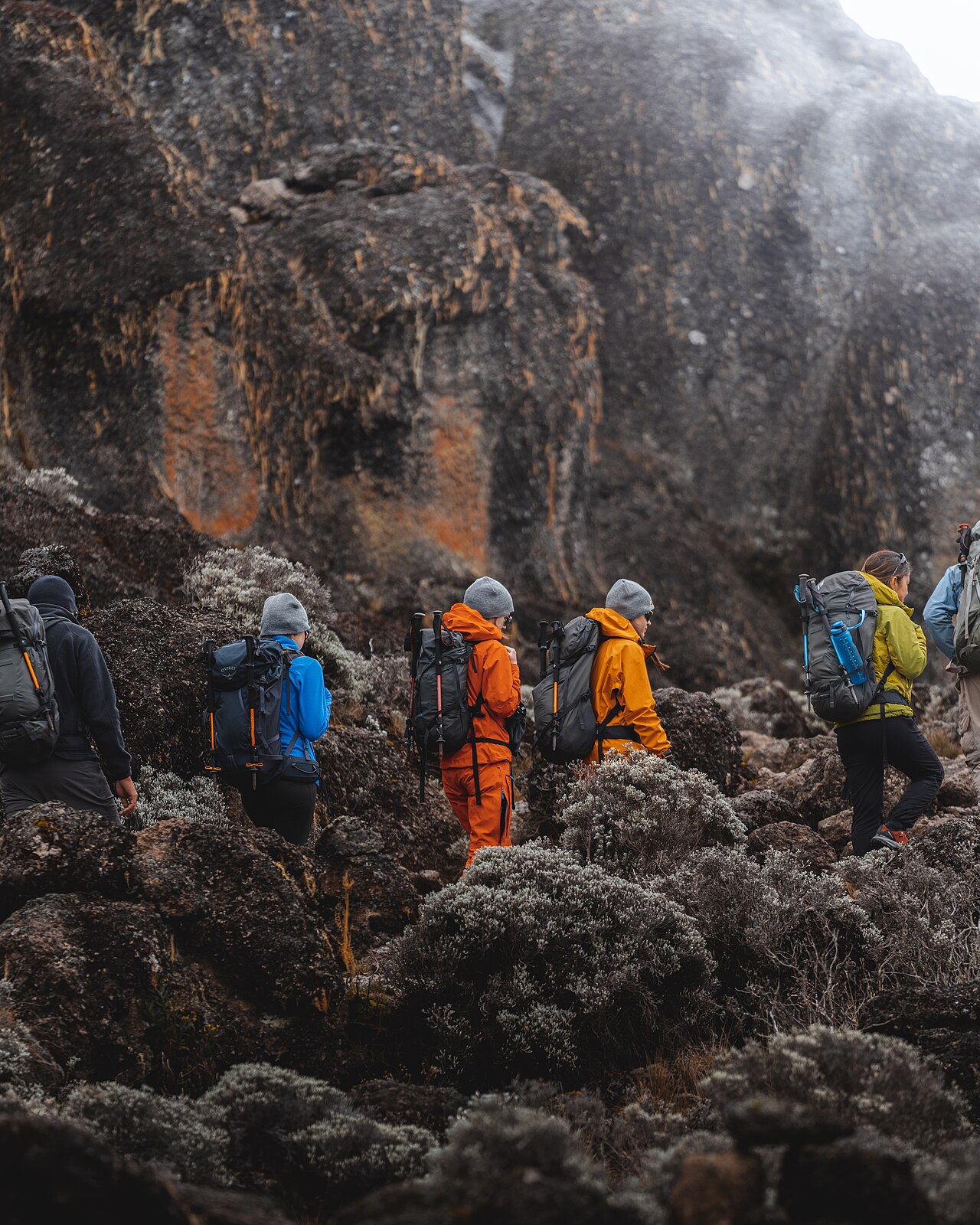
Does the route change how hard the climb feels?
Yes. It changes the number of days, sleeping pattern, terrain and time available to adjust to altitude. The Kilimanjaro National Park visitor guide lists access via Marangu, Machame, Lemosho and Rongai. Marangu uses huts; other common routes use tented camps. There is no route that cancels the effects of altitude.
| Route | What to ask | Potential trade-off |
|---|---|---|
| Machame | How many mountain days and what is the summit schedule? | Steep sections and camping |
| Lemosho | How long is the itinerary before summit day? | Longer trip and usually higher total cost |
| Marangu | Does the schedule allow enough time to acclimatise? | Hut beds, but shorter itineraries can feel rushed |
| Rongai | Where are you sleeping on the final nights? | Different approach and transfer logistics |
Compare the actual itinerary, not just the route name. Two Machame climbs can give you different time on the mountain. If a cheaper tour removes a day that would have helped you adjust, the saving deserves a second look.
How fit should you be?
You do not need to run marathons. You do need to be comfortable walking for hours on consecutive days, carrying your personal daypack and handling a steep or uneven descent when tired. Build up gradually before your trip. Walk hills, test the boots you will wear and practise with the layer system you plan to take.
Ask your operator about the daily distance, ascent and descent, not only the headline duration. Someone who regularly hikes may still find summit day difficult. Someone new to mountains may do well with sound preparation and a slower itinerary. Neither outcome is guaranteed.
Plan a recovery day after the descent before a long international flight or another demanding activity. Your legs may have opinions about a same-day sprint through an airport.
How should you handle altitude risk?
Discuss the trip with a healthcare professional before booking, especially if you have heart, lung or other relevant conditions. Ask specifically about altitude illness and any medication that might be suitable for you. The CDC guidance for African climbs recommends checking that guides can recognise and respond to altitude sickness, and notes that extra ascent days help acclimatisation.
On the mountain, tell your guide promptly about symptoms. Do not hide them to protect a summit plan. The important decision is getting everyone down safely, not protecting a photograph at the top. A responsible operator should explain its monitoring, oxygen and evacuation arrangements in plain language before you pay.
Questions to ask before booking a Kilimanjaro climb
- Is this a summit expedition or a lower-mountain walk? Check the maximum altitude and number of nights.
- How many days are on the mountain? Extra time can help your body adjust.
- Who leads the climb? Confirm the licensed operator, guide team and guide-to-guest arrangement.
- What is the safety plan? Ask about symptom checks, emergency communication and descent.
- What does the price include? Read park fees, accommodation, food, equipment, transfers and crew gratuities. Our cost guide breaks those down.
Then compare the actual Kilimanjaro tours. A longer, well-described itinerary is more useful than a cheap listing with no clear safety detail.
Frequently asked questions
Can a beginner climb Kilimanjaro?
A beginner with good preparation can attempt a guided trekking route, but the mountain is still demanding. Choose enough days, prepare for repeated walking and discuss altitude risk with a healthcare professional.
Do you need climbing skills for Kilimanjaro?
Not for the standard trekking routes. You still need fitness, suitable clothing, a licensed guide and a plan for cold and high altitude.
How long does it take to climb Kilimanjaro?
The park authority says climbs to Kibo commonly take five to eight days depending on the route. Compare days on the mountain, not the whole package length including hotel nights.
Is altitude sickness common on Kilimanjaro?
Altitude illness is a real risk, even for fit travellers. Symptoms should be reported to your guide immediately. A slower ascent helps, but no itinerary guarantees you will avoid it.
Which Kilimanjaro route is easiest?
There is no universally easiest route. A longer itinerary may give more time to adapt, while terrain, accommodation and summit schedule differ. Compare the whole plan rather than a route label.
How hard is Kilimanjaro summit night?
It is often the coldest and most tiring part of the trip, with walking in darkness followed by a long descent. Ask your operator for the expected hours and turn-back rules.
Can I do Kilimanjaro as a day trip?
You can do a guided walk in the lower park in a day, but you cannot reach the 5,895-metre summit as a standard day trip. Check that a tour does not blur the two.