
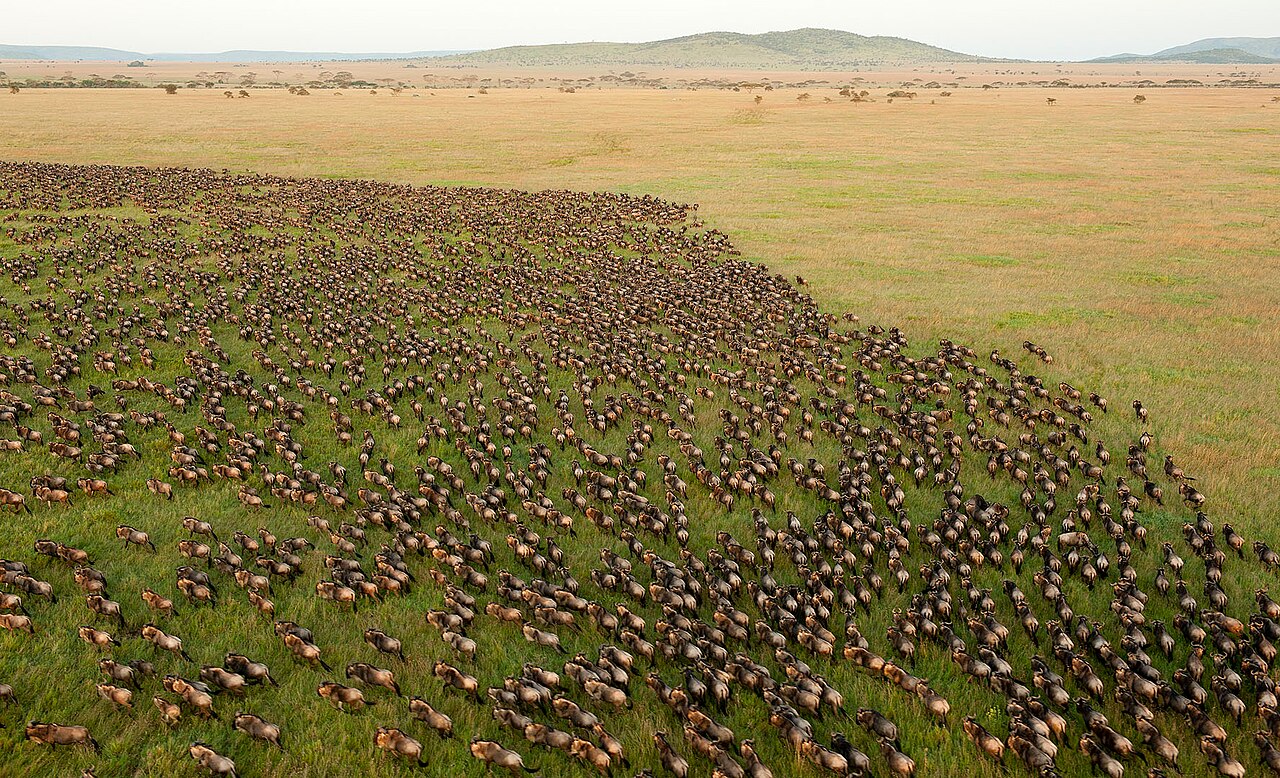
For a first Serengeti safari, June to October is a practical starting window: it is the main dry season and wildlife viewing is often easier around water. If you are aiming for southern-plains calving, look at January and February. If someone promises a Mara River crossing on a fixed afternoon, keep your wallet in your pocket for a moment.
The Serengeti is huge. Herds move with grazing and rain, so where you stay matters as much as when you go. The Tanzania National Parks authority highlights June to October for the dry-season migration and January to February for calving. It does not promise an animal encounter to any one vehicle.
What is the best time to visit the Serengeti?
Choose June to October if you want a straightforward first safari with generally drier conditions. Choose January or February if the southern calving season is your main reason to travel. For the famous river-crossing search, focus on a suitable northern Serengeti itinerary in the relevant dry-season window, and accept that a crossing may not happen during your stay.
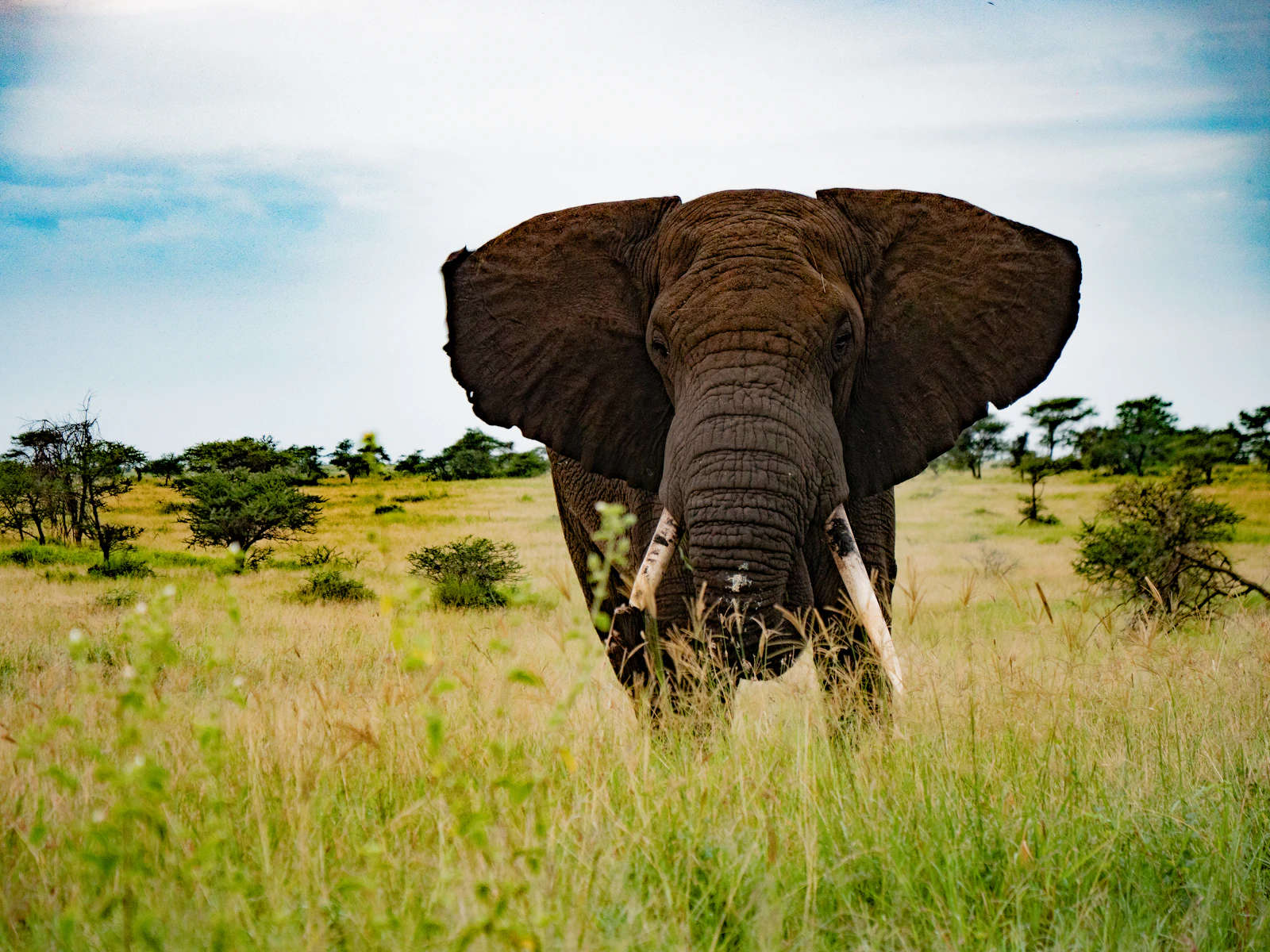
Other months are not empty. Resident wildlife remains in the park year-round, and greener landscapes can be beautiful. The question is whether your camp, road plan and wildlife goal suit the season. A date alone cannot do that planning for you.
Serengeti migration calendar: what is realistic?
| Period | Where to focus | Important caveat |
|---|---|---|
| January to February | Southern plains and Ndutu area for calving | Herd position changes with rain |
| March to May | Green-season areas matched to current conditions | Rain and road conditions need checking |
| June to July | West and central sectors depending on herd movement | No fixed day for a crossing |
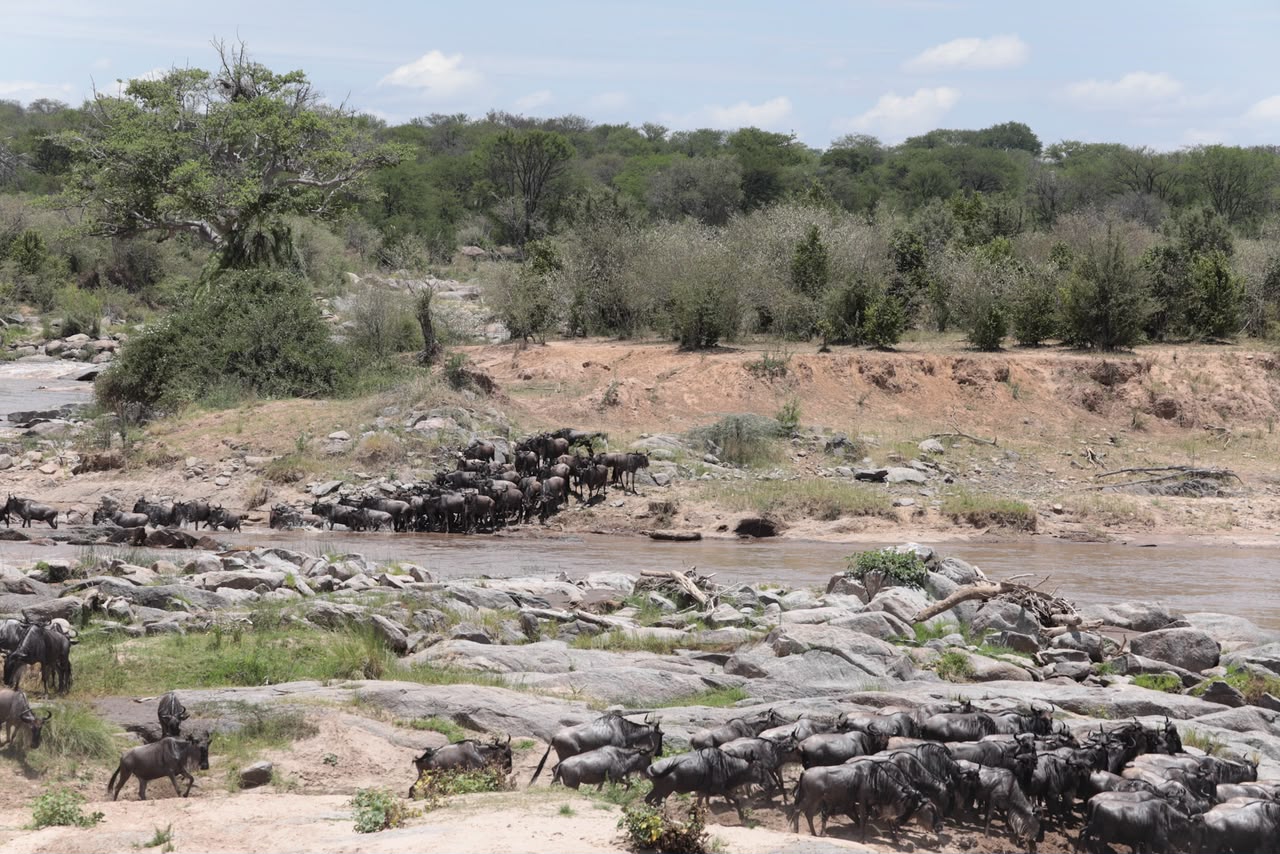
| August to September | Northern Serengeti for possible Mara River activity | Crossings cannot be guaranteed |
| October to December | Ask where the herds are moving now | Short rains can shift routes |
This is an editorial planning framework, not a tracking feed. TANAPA explains that the migration follows water and fresh grazing. Ask an operator where the proposed camp sits for your dates and what its guides have seen recently. A camp near last year's river activity is not a reservation for this year's herds.
Dry season or green season?
June to October: easier starting point
The dry season often makes roads more dependable and can bring wildlife towards remaining water. It is also popular, so the best-placed camps and flights deserve early attention. Peak season does not mean every game drive is crowded, but a famous riverbank can be. Ask how many nights you will spend in the chosen sector and how much of each day is a transfer.
November to May: greener, more variable
Rain returns in parts of the park. This can change vegetation, roads and animal movements. January and February are especially interesting for calving on the southern plains, while the wetter weeks of the long rains can make a tight itinerary harder to manage. The park authority's planning page describes green-season landscapes and advises checking road and lodge conditions.
Rain does not switch off the safari. It changes what is practical and what you might see. If you enjoy fewer vehicles and changing light, a well-planned green-season trip may suit you. If it is your only safari and you want the simplest logistics, begin with the dry season.
Choose the right part of the Serengeti
The park has central, northern, western and southern access areas, plus wildlife moving beyond park boundaries within the wider ecosystem. A tour advertised simply as “Serengeti safari” may spend most of its time near Seronera, or may take you much farther. Neither is automatically wrong. They answer different travel goals.
Central Serengeti is useful for a first safari and resident wildlife. Southern plains matter when calving is the focus. Northern areas are the starting point for a river-crossing search in the relevant months. The west can be relevant during migration movement, but the exact pattern changes. Check the map and the named accommodation before paying for a headline wildlife claim.
If you have only two or three days, a long road journey to a distant seasonal sector can swallow the time you hoped to spend watching animals. Our Serengeti tour comparison helps you distinguish travel days from park time.
How to plan the dates without overpromising
- Name the wildlife goal. General game viewing, calving and a possible river crossing call for different dates and areas.
- Choose the sector before the lodge. A beautiful camp in the wrong part of the park adds hours of driving.
- Count full game-drive days. Arrival, park entry and the drive back to Arusha use real time.
- Ask about recent conditions. Migration maps are approximate. A local guide's recent observations are more useful than last season's calendar.
- Leave room for luck. You are visiting a wild ecosystem, not a theatre with a printed showtime.
For a broader route, see the 10-day Tanzania itinerary. If Zanzibar follows the safari, plan the flight and transfer as a travel day before counting your first beach day.
Frequently asked questions
What month is best for Serengeti safari?
June to October is an accessible dry-season window for many first-time visitors. January and February suit travellers focused on southern calving. The right area is as important as the month.
When is the Great Migration in Serengeti?
The migration is a moving cycle, not one event on a fixed date. Herds follow rain and grazing across the wider ecosystem, so ask where your camp is for your travel dates.
When can I see a Mara River crossing?
Northern Serengeti trips in the dry-season months may have a chance, especially around August and September, but a crossing cannot be guaranteed on any particular day.
Is January a good time to visit Serengeti?
Yes, particularly if you want to plan around the southern-plains calving period. Confirm that your itinerary actually stays near the relevant area.
Is Serengeti worth visiting in the rainy season?
Yes, for green landscapes and wildlife, if you can accept variable roads and adjust the route. Ask about current camp access and driving times.
How many days do I need in Serengeti?
Allow more than a quick in-and-out trip if possible. Long transfers can consume much of a short itinerary, especially if you are trying to reach a seasonal sector.
Where should I stay for Serengeti migration?
Stay in a sector suited to the stage you hope to see: southern areas for calving, northern areas for possible Mara River activity, or central areas for a broader first safari. Check current herd movement before booking.